

Key Takeaways
- Containers make gardening possible on balconies, patios, and other spaces without ground soil.
- Pots dry out faster than ground beds and typically require more frequent watering and feeding.
- Root space is limited in containers, restricting what plants can thrive long-term.
- Container growing suits renters, urban gardeners, and anyone managing difficult native soil.
- Understanding the trade-offs helps you choose the right growing method for your situation.
Accessible on balconies, patios, and paved surfaces
Containers make gardening viable where there's no open ground at all - a key advantage for renters, apartment dwellers, or anyone with a paved outdoor space.
Easy to move and rearrange as needed
Pots can be repositioned to chase sunlight, brought indoors ahead of frost, or rearranged to suit seasonal changes - something impossible with in-ground planting.
Bypasses poor or contaminated native soil
If your yard has compacted clay, heavy weed pressure, or potential contamination from old structures, containers let you start fresh with clean, appropriate growing medium.
Lower initial cost than building raised beds
A few pots and a bag of potting mix costs far less than timber, hardware, and fill soil for a raised bed, making containers a lower-risk starting point for new gardeners.
Easier to manage pests and disease isolation
A diseased container plant can be isolated or removed without affecting the rest of the garden, reducing the risk of spread that can be harder to control in shared ground.
Dries out much faster than in-ground soil
Container soil has no connection to groundwater and loses moisture rapidly, especially in summer heat. This often means daily watering during warm months, which can become a significant time commitment.
Nutrients deplete quickly and need regular replacement
Each time you water, nutrients leach out through drainage holes. Container plants typically need liquid feeding every one to two weeks during the growing season, adding cost and effort over time.
Root space limits plant size and longevity
Even large pots restrict root development compared to open ground. Many plants become pot-bound, stall in growth, or fail to reach their full productive potential.
Containers can be damaged by freezing temperatures
Terracotta and some glazed ceramic pots crack when water inside freezes and expands. This means additional steps each autumn to protect or store containers in colder climates.
Ongoing supply costs add up over time
Fresh potting mix, fertiliser, and eventual pot replacements represent recurring costs that in-ground gardeners - who can invest in improving existing soil - largely avoid.
Our Verdict
Container gardening is a genuinely practical approach for gardeners without in-ground access, or those dealing with poor, compacted, or contaminated soil. It offers real flexibility and low setup costs - but it demands more attentive watering, regular feeding, and realistic expectations about plant size. For those with access to open ground, containers work best as a complement to in-ground or raised bed growing rather than a full replacement.
Container gardening is best suited to renters, urban dwellers, balcony gardeners, and anyone who wants a low-commitment, flexible way to grow herbs, seasonal vegetables, or ornamentals without digging up a yard.
What Container Gardening Actually Involves
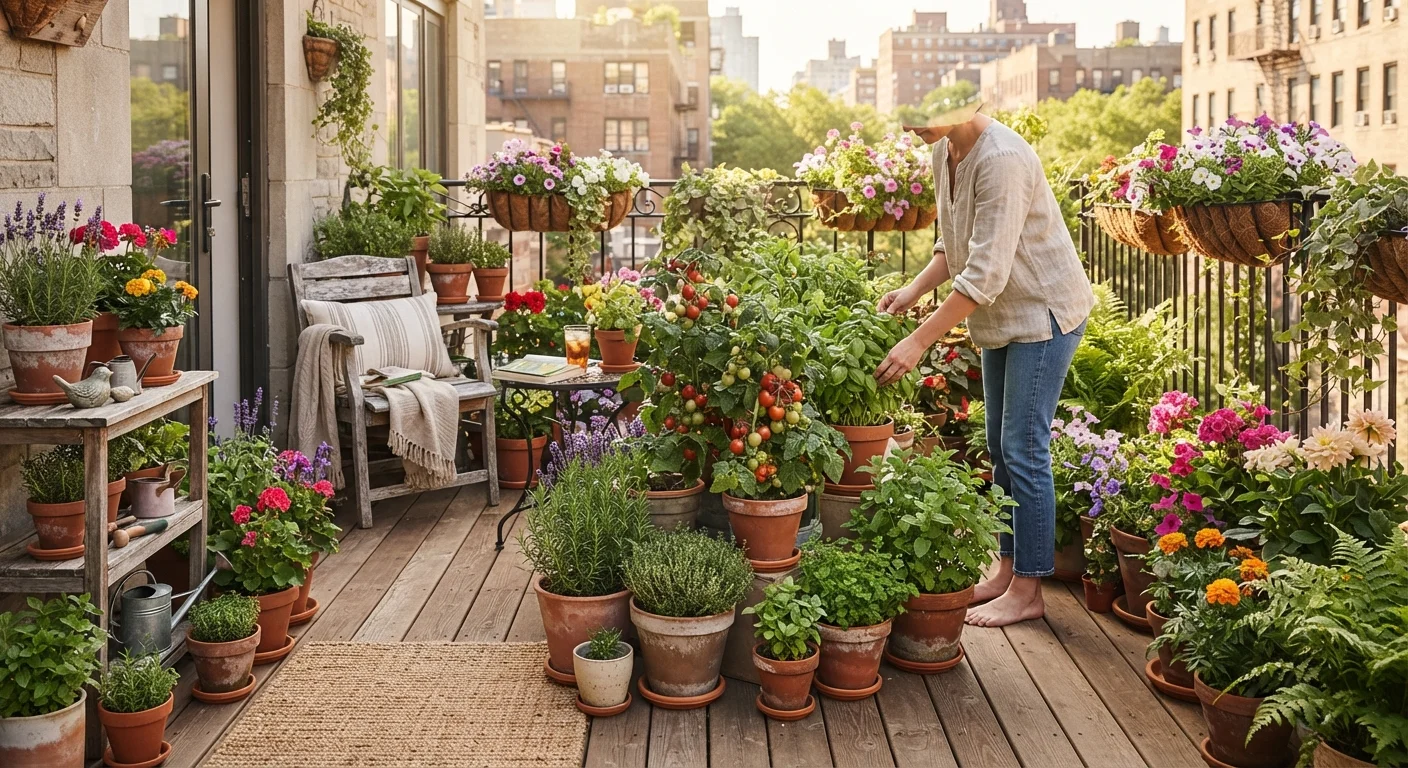
Container gardening means growing plants in pots, planters, grow bags, window boxes, or any vessel that holds soil rather than planting directly in the ground. It's one of the most accessible entry points into gardening - no tilling, no ground preparation, and no permanent commitment to a layout.
That accessibility is part of why containers are so popular. But pots are not simply a scaled-down version of a garden bed. They create a fundamentally different growing environment with distinct advantages and real limitations. Before loading up on pots, it's worth understanding both sides. For a broader comparison of growing methods, see our guide on raised beds vs. in-ground planting.
Accessible on balconies, patios, and paved surfaces
Containers make gardening viable where there's no open ground at all - a key advantage for renters, apartment dwellers, or anyone with a paved outdoor space.
Easy to move and rearrange as needed
Pots can be repositioned to chase sunlight, brought indoors ahead of frost, or rearranged to suit seasonal changes - something impossible with in-ground planting.
Bypasses poor or contaminated native soil
If your yard has compacted clay, heavy weed pressure, or potential contamination from old structures, containers let you start fresh with clean, appropriate growing medium.
Lower initial cost than building raised beds
A few pots and a bag of potting mix costs far less than timber, hardware, and fill soil for a raised bed, making containers a lower-risk starting point for new gardeners.
Easier to manage pests and disease isolation
A diseased container plant can be isolated or removed without affecting the rest of the garden, reducing the risk of spread that can be harder to control in shared ground.
The Real Limitations of Growing in Pots
The same features that make containers convenient also create constraints that can frustrate gardeners who aren't prepared for them.
Dries out much faster than in-ground soil
Container soil has no connection to groundwater and loses moisture rapidly, especially in summer heat. This often means daily watering during warm months, which can become a significant time commitment.
Nutrients deplete quickly and need regular replacement
Each time you water, nutrients leach out through drainage holes. Container plants typically need liquid feeding every one to two weeks during the growing season, adding cost and effort over time.
Root space limits plant size and longevity
Even large pots restrict root development compared to open ground. Many plants become pot-bound, stall in growth, or fail to reach their full productive potential.
Containers can be damaged by freezing temperatures
Terracotta and some glazed ceramic pots crack when water inside freezes and expands. This means additional steps each autumn to protect or store containers in colder climates.
Ongoing supply costs add up over time
Fresh potting mix, fertiliser, and eventual pot replacements represent recurring costs that in-ground gardeners - who can invest in improving existing soil - largely avoid.
The Gravel-at-the-Bottom Myth
One common mistake is placing gravel at the bottom of a pot to "improve drainage." Research shows this actually raises the perched water table inside the container, keeping roots wetter - not drier. Our article on garden myths that are quietly harming your plants covers this and other widespread misconceptions worth knowing before you pot up.
One common mistake is placing gravel at the bottom of a pot to "improve drainage." Research shows this actually raises the perched water table inside the container, keeping roots wetter - not drier. Our article on garden myths harming your plants covers this and other widespread misconceptions worth knowing before you pot up.
What Grows Well in Containers - and What Doesn't
Matching plant choice to container constraints is the most practical skill a pot gardener can develop.
Strong candidates for containers:
- Herbs - basil, mint, chives, parsley, thyme
- Salad greens and radishes (fast-maturing, shallow-rooted)
- Compact tomato and pepper varieties bred for pots
- Strawberries and dwarf blueberry varieties
- Annuals and seasonal flowering plants
Plants that struggle in pots:
- Full-size fruit trees and most large shrubs
- Deep-rooted vegetables like parsnips and large carrots
- Sprawling plants like pumpkins and watermelons
- Perennials that need room to establish extensive root systems over years
Understanding how annuals and perennials behave differently can help you make smarter container choices - our guide on annual vs. perennial plants explains the key differences. If you're working in a particularly tight space, growing food in small spaces offers realistic approaches for compact setups.
~80%
Of container soil moisture lost in summer heat
University extension programs widely note that containers in full sun can lose the majority of their moisture within 24 hours on hot days, highlighting the watering demand.
5-10 gallons
Minimum pot size for most tomato varieties
Most cooperative extension guidelines recommend at least a 5-gallon container for compact tomato varieties, with larger types needing 10 gallons or more to produce well.
Making Container Gardening Work for You
Success with containers comes down to a few consistent practices rather than any single trick.
Soil matters more than people expect. Standard garden soil compacts and drains poorly in pots. A quality, peat-free potting mix designed for containers provides better aeration and moisture retention. Unlike in-ground beds where you can build soil health over time (see our guide on building healthier garden soil), container soil exhausts its nutrients relatively quickly and benefits from refreshing or replacing each season.
Watering consistently is non-negotiable. Small pots may need watering daily during summer heat. Larger containers provide more buffer. Self-watering pots with built-in reservoirs can significantly reduce the maintenance burden, making them a practical option for busier gardeners.
Feed regularly. Because nutrients leach out with each watering, container plants benefit from a balanced liquid feed applied every one to two weeks during the growing season.
Plan for winter. In colder climates, many containers - especially unglazed terracotta - can crack in freezing temperatures. Grouping pots together, moving them to a sheltered spot, or wrapping them can extend their life. Tender plants will need to come indoors entirely. Pair your container care with a seasonal garden calendar to stay on top of timing.
If you're considering starting plants from seed directly into small pots indoors, our guide on seed starting indoors walks through the process step by step.