

Key Takeaways
- Caribbean itineraries suit first-time cruisers and those prioritizing warm weather and beach access year-round.
- Mediterranean cruises pack in cultural history but require more port-day planning to avoid crowds.
- Northern Europe offers dramatic scenery — fjords, glaciers, historic capitals — best sailed in summer months.
- Climate, port pace, and sea conditions vary significantly between regions and seasons.
- Your preferred onshore activity style matters as much as your destination preference.
Our Verdict
No single cruise region is objectively superior — each suits a different traveler profile and travel goal. The Caribbean rewards relaxation-seekers and those new to cruising; the Mediterranean delivers cultural depth for history lovers; Northern Europe offers dramatic, bucket-list scenery for those comfortable with variable weather. Matching region to your pace preference, shore interests, and travel timing is the most reliable path to a satisfying voyage.
| Best for | Recommended |
|---|---|
| First-time cruisers and beach lovers | Caribbean |
| History, food, and culture enthusiasts | Mediterranean |
| Scenic wilderness and fjord seekers | Northern Europe |
| Adventurous travelers wanting off-the-radar ports | Beyond (Asia, South America, Alaska) |
Why Region Choice Shapes the Entire Experience
Selecting a cruise itinerary involves far more than picking a map region — it determines your climate, port style, cultural exposure, onboard demographic, and how much planning you'll need to do once the ship docks. Two cruisers booking very different regions can have entirely different trips even aboard the same class of vessel.
Before narrowing destinations, it helps to clarify what you actually want from port days. Are you seeking beach time, museum visits, hiking, food markets, or a mix? Your answer will steer you toward the right region more reliably than any brochure description. For a broader framework on how itinerary flexibility fits into this, see how fixed vs. flexible itineraries compare.
Caribbean: Consistency, Warmth, and Accessibility
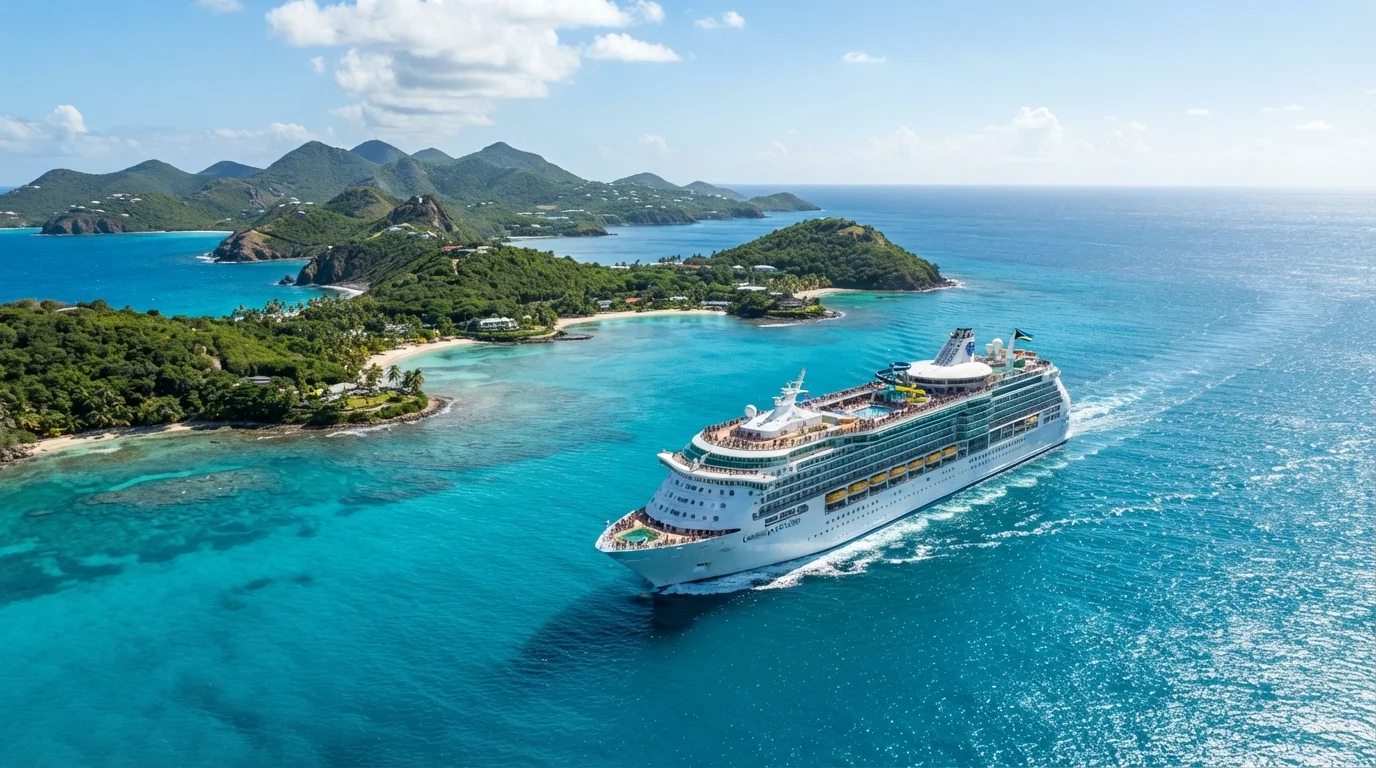
The Caribbean remains the world's most popular cruise region for practical reasons: reliably warm temperatures, calm seas for much of the year, and ports that are well set up to receive large numbers of ship passengers. Eastern, Western, and Southern Caribbean loops offer distinct port mixes — from the Dutch-influenced streets of Curaçao to the volcanic peaks of St. Lucia — but share a broadly similar climate profile.
Hurricane season (roughly June through November) introduces weather risk, particularly for Eastern Caribbean routes, though itineraries are often rerouted rather than cancelled. Traveling outside that window — roughly December through April — offers the most dependable conditions. Ports like Nassau and Cozumel can feel heavily commercialized near the pier; travelers willing to venture further from the ship find a more authentic experience. Choosing off-the-beaten-path Caribbean islands shifts the infrastructure and pace considerably.
| Caribbean | Mediterranean | Northern Europe | Alaska / Beyond | |
|---|---|---|---|---|
| Best season | Dec–Apr (peak) | Apr–May, Sep–Oct | May–Sep | May–Sep |
| Climate | Warm, tropical, humid | Hot summers, mild shoulders | Cool, variable, rainy possible | Cold, variable, dramatic |
| Port atmosphere | Beach-oriented, some commercial | Historic, dense, can be crowded | Scenic cities and wilderness | Rugged, less commercial |
| Cultural depth | Moderate | High | High | High (varies by route) |
| Ideal traveler | First-timers, relaxation seekers | History and food lovers | Nature and city blend seekers | Experienced, adventure-focused |
| Sea conditions | Generally calm | Calm to moderate | Can be rough | Rough possible (Cape Horn) |
Mediterranean: Cultural Density and Crowd Management
Mediterranean itineraries — split broadly between Western (Spain, France, Italy) and Eastern (Greece, Turkey, Croatia) — offer some of the world's most storied port cities in rapid succession. The trade-off is density: popular stops like Santorini, Dubrovnik, and Rome's Civitavecchia can receive multiple ships simultaneously, producing significant congestion at key sites during peak summer months.
Shoulder-season sailings (April–May and September–October) often offer better crowd conditions and more tolerable temperatures in southern ports. Port days tend to be activity-intensive, and travelers who want to maximize cultural visits benefit from pre-planning shore time carefully. Weighing ship-organised tours against independent exploration is especially relevant here, where logistics and queues can make or break a port day.
Time Your Mediterranean Visit Carefully
If cultural immersion is your priority in the Mediterranean, consider itineraries that include overnight stays in major ports like Barcelona or Athens. An overnight allows evening exploration when day-trippers have cleared out and the city feels more local. Check whether your itinerary includes any overnight port calls before booking.
Northern Europe: Dramatic Scenery, Weather Variability
Northern European cruises — covering Norwegian fjords, the Baltic capitals, Iceland, and the British Isles — are strictly seasonal, operating primarily from May through September. Within that window, conditions vary: fjord sailings offer breathtaking glacier and waterfall scenery; Baltic itineraries string together cities like Copenhagen, Stockholm, Helsinki, and Tallinn in a culturally rich loop.
Weather is the primary variable. Fjord regions can see rain and overcast skies even in midsummer, and Iceland sailings require flexibility around wind and port conditions. Packing layers is essential regardless of month. Sea days between ports tend to be longer than in the Caribbean or Mediterranean, making onboard amenities more relevant to overall satisfaction. If you're weighing ship style as part of your decision, river cruise vs. ocean cruise comparisons may also be relevant for European routes.
~17M
North Americans cruising annually
The Cruise Lines International Association (CLIA) consistently reports North America as the world's largest cruise source market.
Top 3
Most visited cruise regions globally
Caribbean, Mediterranean, and Northern Europe collectively account for the majority of global cruise itinerary bookings each year, according to CLIA industry data.
Beyond the Big Three: Alaska, Asia, and South America
Alaska sailings (typically May through September) combine wildlife observation — humpback whales, glaciers, bald eagles — with port towns that retain a working, non-touristy character. Southeast Asian itineraries offer extraordinary cultural variety across Vietnam, Japan, and Thailand, though longer flight positioning and greater climate variability add planning complexity. South American routes, often routed around Cape Horn or through Chilean fjords, appeal to travelers seeking dramatic wilderness with fewer fellow passengers.
These itineraries generally suit travelers with some cruising experience, given longer sea days, more complex port logistics, and greater sensitivity to seasonal timing. Regardless of region, cabin category selection becomes more consequential on longer voyages where onboard time is a larger proportion of the overall trip.
Travel conditions, port access, and visa requirements vary by destination and change over time. Always verify entry requirements and current travel advisories through official government sources before booking.