

| Full Sun threshold | 6+ hours of direct sun per day |
| Part Sun / Part Shade range | 3-6 hours of direct sun per day |
| Full Shade threshold | Fewer than 3 hours of direct sun |
| Coolest sun direction | East-facing (morning sun) |
| Most intense sun direction | West-facing (afternoon sun) |
| Best observation method | Track sun at 9 a.m., noon, and 3 p.m. on a clear day |
Why Sun Exposure Labels Matter
Walk into any garden center and you'll find plant tags stamped with terms like full sun, part shade, or full shade. These aren't just decorative - they describe the minimum light conditions a plant needs to grow, flower, or produce food. Plant a shade-lover in blazing sun and it scorches. Tuck a sun-hungry tomato under a tree and it sulks. Matching plant to place is one of the most reliable ways to improve your results without spending more money or effort.
The challenge is that these labels are applied loosely by different growers and nurseries, and your yard rarely fits neatly into one category. This reference breaks down what each term actually means so you can make confident decisions wherever you're planting - whether in beds, borders, or containers. If you're just getting started, see our practical first-timer's roadmap for a broader overview.
| Full Sun threshold | 6+ hours of direct sun per day |
| Part Sun / Part Shade range | 3-6 hours of direct sun per day |
| Full Shade threshold | Fewer than 3 hours of direct sun |
| Coolest sun direction | East-facing (morning sun) |
| Most intense sun direction | West-facing (afternoon sun) |
| Best observation method | Track sun at 9 a.m., noon, and 3 p.m. on a clear day |
Decoding the Standard Categories
The four most commonly used sun exposure terms have reasonably consistent definitions across horticultural sources:
- Full Sun: 6 or more hours of direct sunlight per day. Most vegetables, many herbs, and the majority of flowering annuals thrive here.
- Part Sun / Part Shade: 3-6 hours of direct sunlight daily. These two labels are often used interchangeably, but there's a subtle difference - "part sun" plants typically need the higher end of that range and won't tolerate deep shade; "part shade" plants often benefit from protection during the hottest afternoon hours.
- Full Shade: Fewer than 3 hours of direct sunlight. This doesn't mean total darkness - most shade plants still need bright indirect light. True dense shade, such as under a dense evergreen canopy, is among the most difficult conditions to plant into.
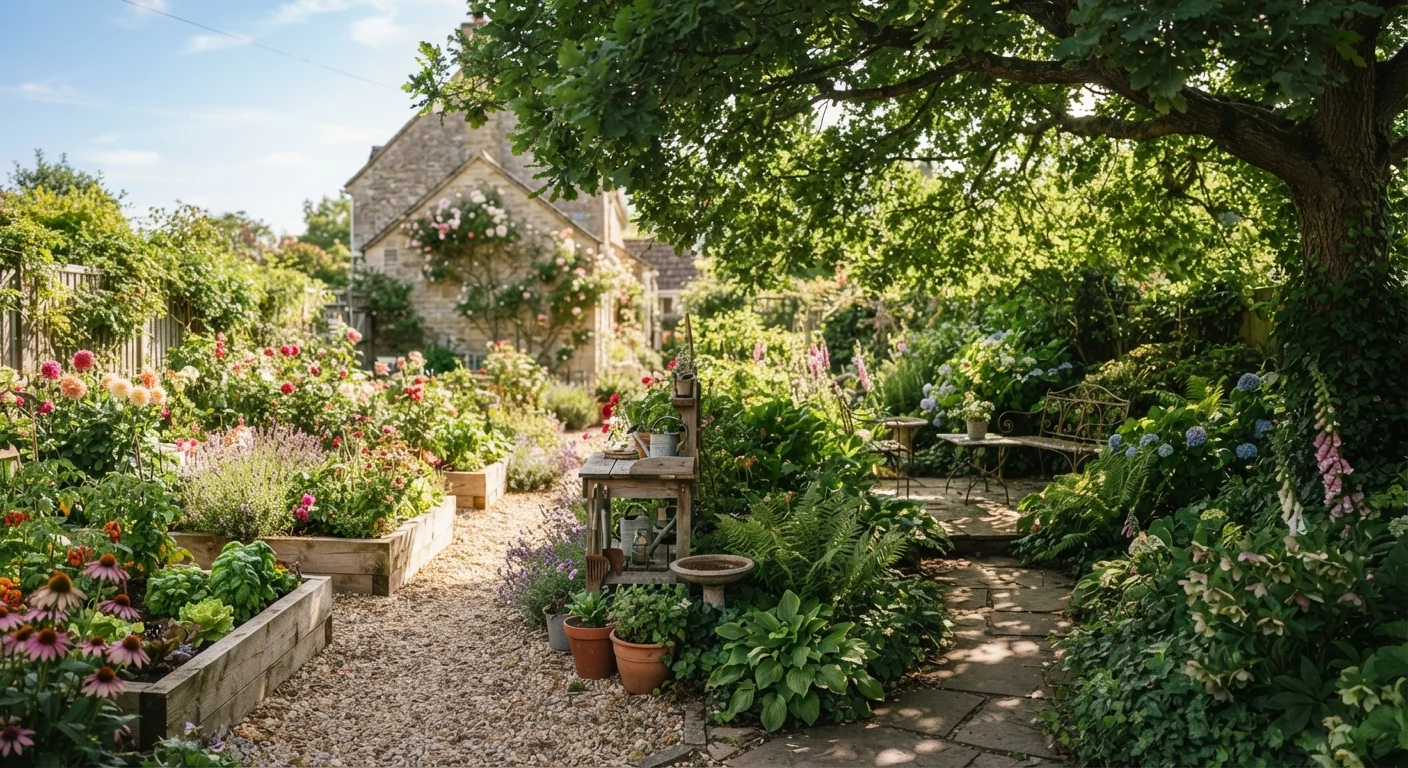
- Dappled Shade: Filtered light through a leaf canopy, shifting throughout the day. Many woodland plants evolved here and prefer this to either open shade or direct midday sun.
Full Sun
A site that receives 6 or more hours of direct sunlight each day. Most edible crops and many flowering plants require full sun to perform well.
Part Shade
A site receiving 3-6 hours of direct sunlight, typically with protection from intense afternoon sun. Plants labeled part shade often do best with morning light and cooler indirect exposure later in the day.
Full Shade
Fewer than 3 hours of direct sun per day. Full shade does not mean darkness - most plants still need ambient or indirect light to survive and grow.
Dappled Shade
Filtered, moving light passing through a tree canopy. This shifting pattern mimics the woodland floor conditions where many popular shade plants naturally grow.
Direct Sun
Unobstructed sunlight falling directly on a surface. Counted in hours per day to determine a site's sun exposure category.
Indirect / Ambient Light
Bright light that reaches a plant without direct sun rays - such as open sky visible above but the sun itself blocked. Many shade plants use this effectively.
Keep in mind that quality of light matters too. Morning sun (east-facing) is cooler and gentler than afternoon sun (west-facing), which is more intense and drying. A plant rated for part shade may do fine with 4 hours of morning sun but struggle with 4 hours of hot afternoon exposure.
How to Observe Your Own Garden's Light
The most accurate way to know your conditions is to observe, not assume. Shadows shift dramatically by season - a spot that bakes in midsummer may be heavily shaded in spring when the sun is lower and deciduous trees are still leafing out.
A simple approach: on a clear day, check your planting area at 9 a.m., noon, and 3 p.m. and note whether it receives direct sun, filtered light, or full shade at each point. Do this a few times across the season if you can. Count the approximate total hours of direct sun. That number is your baseline for plant selection.
Seasonal Shifts Change Everything
A garden bed that receives 6 hours of sun in July may receive far fewer in April or October when the sun's angle is lower. If you're planning a spring-planted garden, try to observe light conditions in spring rather than relying on summer readings. This is especially important for early-season crops like lettuce or peas. Our seasonal garden calendar can help you align planting timing with light and weather conditions.
Buildings, fences, and hedges create hard shade - sharp-edged shadows that don't shift much - while trees create soft, moving shade. Both affect plant performance differently. A south-facing bed against a brick wall may also reflect and retain heat, pushing effective conditions toward something hotter than the sun hours alone suggest.
If you're gardening in containers, you have an advantage: you can reposition pots as you learn. Our article on container gardening trade-offs covers how to make the most of that flexibility.
Putting It All Together
Once you understand your light zones, you can group plants more strategically. Reserve the sunniest open areas for vegetables, most herbs, and sun-loving flowers. Use part-shade zones for plants like hostas, astilbes, impatiens, or leafy greens that appreciate some midday relief. Reserve true shade spots for ferns, hellebores, and other woodland-adapted species.
Sun exposure works in concert with other site conditions. Soil drainage, moisture, and fertility all interact with light - a shady spot with poor drainage is doubly challenging, while a sunny bed with rich, well-drained soil is highly forgiving. See our related reference on soil types to connect these two fundamentals. You may also find that understanding annuals versus perennials helps you plan smarter for each zone in your yard over the long term.
No garden has perfect conditions everywhere, and that's fine. The goal isn't to force plants into the wrong spot - it's to read what you have and select accordingly. That shift in mindset turns sun exposure from a confusing label into a practical tool.