

Key Takeaways
- Inflammation is a normal, protective immune process that becomes harmful when it turns chronic.
- Many common conditions - including heart disease, type 2 diabetes, and arthritis - involve chronic inflammation.
- Lifestyle factors such as diet, sleep, and physical activity meaningfully influence inflammatory levels.
- Chronic inflammation often produces no obvious symptoms until significant tissue damage has occurred.
- A healthcare provider can evaluate inflammatory markers through blood tests to inform diagnosis and care.
Inflammation
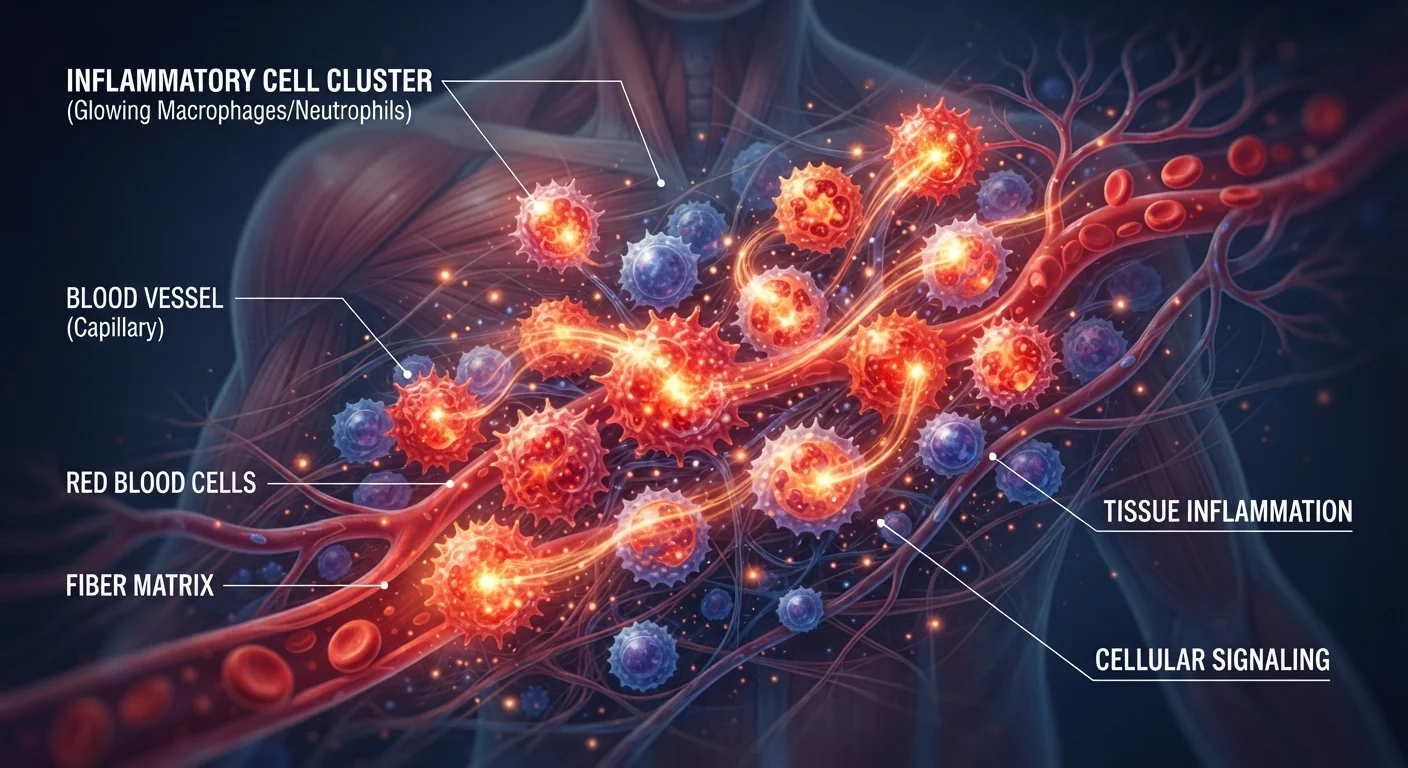
Inflammation is the immune system's first-line response to injury, infection, or perceived threat. It triggers increased blood flow, immune cell activity, and chemical signaling to help the body heal. When this response is short-lived, it's beneficial. When it persists without a clear threat, it becomes a driver of chronic disease.
Chronic inflammation is characterized by persistently elevated pro-inflammatory cytokines - signaling proteins such as interleukin-6 (IL-6) and tumor necrosis factor-alpha (TNF-α) - that sustain immune activation beyond its protective purpose.
What Inflammation Actually Does
When your body detects a threat - a bacterial infection, a sprained ankle, even a splinter - the immune system mobilizes a rapid response. Blood vessels near the affected area dilate, immune cells flood in, and chemical messengers called cytokines coordinate the counterattack. The result is the classic signature of acute inflammation: redness, warmth, swelling, and pain. These are signs that healing is underway.
This process is essential. Without it, minor infections could become life-threatening, and wounds would never close. The problem arises when the inflammatory response doesn't switch off - when the immune system continues firing in the absence of a genuine threat. This is chronic inflammation, and it operates very differently from the acute version most people recognize.
Acute vs. Chronic: A Critical Distinction
Acute inflammation is short-term and purposeful; chronic inflammation is persistent and damaging. The two require very different medical approaches. If you're navigating a health condition and aren't sure which category it falls into, understanding why this distinction shapes your care is a useful starting point.
The Conditions Tied to Chronic Inflammation
The list of conditions linked to chronic inflammation is striking in its breadth. Cardiovascular disease - still the leading cause of death in the United States - involves inflammatory processes that damage artery walls and promote plaque formation. Type 2 diabetes is associated with both causing and worsening systemic inflammation. Rheumatoid arthritis is a condition in which the immune system directly attacks joint tissue, producing sustained inflammatory damage.
Beyond these well-known examples, chronic inflammation has been implicated in inflammatory bowel disease, asthma, psoriasis, and is being actively studied in neurodegenerative diseases such as Alzheimer's. Notably, many of these conditions can be difficult to distinguish from one another based on symptoms alone - a challenge explored in our article on commonly mistaken conditions.
3 in 5
Deaths globally tied to inflammation-related disease
According to a widely cited analysis published in Nature Medicine, approximately 60% of all deaths worldwide are attributable to conditions with an inflammatory component, including heart disease, stroke, cancer, and diabetes.
~50%
U.S. adults living with a chronic condition
The CDC estimates that roughly half of U.S. adults have at least one chronic health condition, many of which involve inflammatory mechanisms.
Why Chronic Inflammation Often Goes Unnoticed
Unlike acute inflammation - which announces itself with visible swelling or sharp pain - chronic, low-grade inflammation rarely produces obvious warning signals. Fatigue, mild joint stiffness, and digestive irregularities can all reflect underlying inflammation, but these symptoms are easily attributed to stress, poor sleep, or aging. This is why chronic inflammatory conditions are frequently diagnosed only after significant tissue damage has occurred.
Healthcare providers can measure specific blood markers to detect inflammation. C-reactive protein (CRP), particularly a high-sensitivity version called hs-CRP, is a commonly used indicator. Erythrocyte sedimentation rate (ESR) is another. Neither is a diagnosis on its own, but elevated levels can prompt further investigation. If you are managing a long-term condition, knowing which questions to ask your care team can help you navigate this effectively.
“Inflammation is a common thread connecting many of the most prevalent chronic diseases. Understanding it as a process - not just a symptom - changes how we think about prevention and treatment.”
— National Institutes of Health, U.S. federal agency leading biomedical and public health research
Lifestyle Factors That Influence Inflammation
Research identifies several modifiable factors that influence inflammatory activity. Diet is among the most studied: patterns high in ultra-processed foods and refined carbohydrates are consistently associated with elevated inflammatory markers, while Mediterranean-style eating patterns show the opposite effect. Physical activity is another significant lever - regular moderate exercise has been shown to reduce circulating inflammatory markers over time.
Sleep is a less obvious but equally important factor. Poor or insufficient sleep is associated with increased levels of pro-inflammatory cytokines. Chronic psychological stress activates the same inflammatory pathways, which helps explain the bidirectional relationship between mental and physical health - a connection covered in depth here.
Talk to Your Provider About Inflammatory Markers
If you have risk factors for conditions like cardiovascular disease or diabetes, ask your healthcare provider whether testing inflammatory markers such as hs-CRP makes sense for you. These tests won't diagnose a condition on their own, but they can contribute meaningful context to your overall health picture.
This article is for general informational and educational purposes only. It is not a substitute for professional medical advice, diagnosis, or treatment. Always consult a qualified healthcare provider regarding your individual health circumstances.