

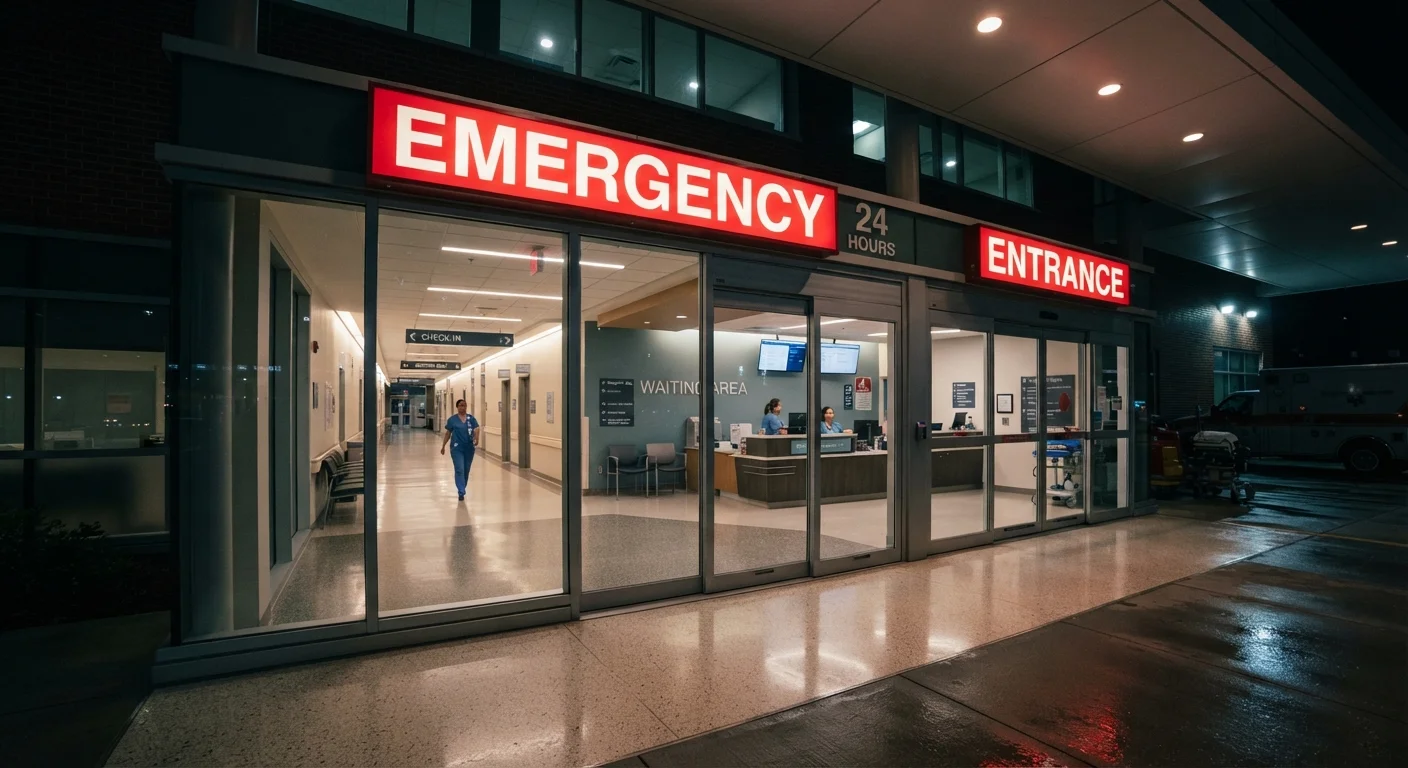
The Federal Law Behind ER Access
When you walk into a hospital emergency room, a powerful federal statute immediately begins protecting you. The Emergency Medical Treatment and Labor Act (EMTALA), passed in 1986, requires most hospitals that accept Medicare - which is the vast majority of U.S. hospitals - to provide a medical screening examination to any person who presents to their emergency department, regardless of ability to pay, insurance status, citizenship, or immigration status.
Under EMTALA, if a hospital determines you have an emergency medical condition, it must either stabilize you or arrange an appropriate transfer to another facility. Hospitals cannot turn you away, delay your screening to inquire about payment, or transfer you before you are stabilized - unless you request the transfer yourself or a physician certifies that the benefits of transfer outweigh the risks.
Violations of EMTALA are serious. Hospitals can face civil monetary penalties and exclusion from Medicare participation. Patients who are harmed by an EMTALA violation may have a private right of action against the hospital in federal court.
Informed Consent and Your Right to Refuse Treatment
Even in an emergency, your right to make decisions about your own body does not disappear. Informed consent is a legal and ethical doctrine requiring that healthcare providers explain a proposed treatment - its purpose, significant risks, alternatives, and likely outcome without treatment - before you agree to it. You have the right to ask questions and to receive answers in a language or format you can understand.
Critically, you also have the legal right to refuse treatment, even life-saving treatment, provided you are a competent adult and understand the consequences. Staff may ask you to sign a form documenting your refusal (commonly called an AMA form - "Against Medical Advice"). Signing or refusing to sign this form does not waive your underlying right; it simply documents the exchange.
Advance Directives and Healthcare Proxies
You can prepare for situations where you cannot speak for yourself by executing an advance directive (such as a living will) or designating a healthcare proxy - a person legally authorized to make medical decisions on your behalf. These documents must generally be prepared before an emergency occurs and must meet your state's execution requirements. Keep copies accessible and inform your family and primary care provider of their existence.
Exceptions exist for patients who lack decision-making capacity - for example, those who are unconscious, severely intoxicated, or otherwise unable to understand and communicate. In those situations, providers follow established protocols that may involve consulting a legal surrogate, next of kin, or, in some cases, seeking emergency court authorization. See our guide to advocating for your health needs for practical strategies you can prepare in advance.
Privacy Protections in the ER
Your medical information is protected by the Health Insurance Portability and Accountability Act (HIPAA), even inside a chaotic emergency department. Hospitals and their staff may only share your protected health information for treatment, payment, or healthcare operations - and in certain limited situations required by law, such as mandatory reporting of gunshot wounds or communicable diseases.
HIPAA permits, but does not require, hospitals to share limited information with family members present during your care. You have the right to object to those disclosures if you are conscious and capable of doing so. If you are incapacitated, providers may use professional judgment about what sharing is in your best interest.
EMTALA
The Emergency Medical Treatment and Labor Act, a federal law requiring Medicare-participating hospitals to screen and stabilize any patient with an emergency medical condition, regardless of ability to pay.
Informed Consent
The legal and ethical requirement that a patient receive a clear explanation of a proposed treatment - including its risks, benefits, and alternatives - before agreeing to it. Consent must be voluntary and given by a person with decision-making capacity.
HIPAA
The Health Insurance Portability and Accountability Act. It establishes federal standards protecting patients' medical information from unauthorized disclosure by healthcare providers, insurers, and their business associates.
AMA (Against Medical Advice)
A documented refusal by a patient to follow a provider's recommended treatment or to remain in the hospital. Signing an AMA form records the patient's informed choice but does not eliminate underlying legal rights.
Emergency Medical Condition
Under EMTALA, a condition manifesting acute symptoms of sufficient severity such that absence of immediate medical attention could reasonably result in placing the patient's health in serious jeopardy or serious impairment of bodily functions.
No Surprises Act
A federal law that protects patients from unexpected out-of-network medical bills, particularly for emergency services, by limiting what providers can charge beyond standard in-network cost-sharing amounts.
HIPAA also grants you the right to request your medical records from the ER visit, typically within 30 days of your request. Hospitals may charge a reasonable cost-based fee for copying. These privacy protections operate alongside - not instead of - your other rights, much like the sector-specific privacy rules that govern data collectors in other contexts.
When Rights Are Challenged: What to Do
If you believe your EMTALA rights have been violated - for instance, you were turned away without a screening exam - you can file a complaint with the Centers for Medicare & Medicaid Services (CMS) through your regional CMS office or the hospital's accrediting body. Complaints can also be filed with your state health department.
For billing disputes or balance billing concerns after emergency care, the No Surprises Act (effective for plan years beginning on or after January 1, 2022) provides significant federal protections limiting what out-of-network providers can charge patients for most emergency services. Understanding these protections in advance is part of the broader work of knowing your rights - just as knowing what police can and cannot do matters if you're ever in a legal confrontation. See our overview of your rights during a police stop for a parallel look at in-the-moment legal protections.
Document everything you can: names of staff, times, what was said or refused, and any written materials you received. This documentation supports any complaint or legal claim you may pursue later. Consulting an attorney who handles patient rights or medical law is advisable if you believe you suffered harm from a denial of care.
This article is for general informational and educational purposes only and does not constitute legal or medical advice. Laws and regulations vary and change over time. Consult a qualified attorney or licensed healthcare professional for guidance specific to your situation.