

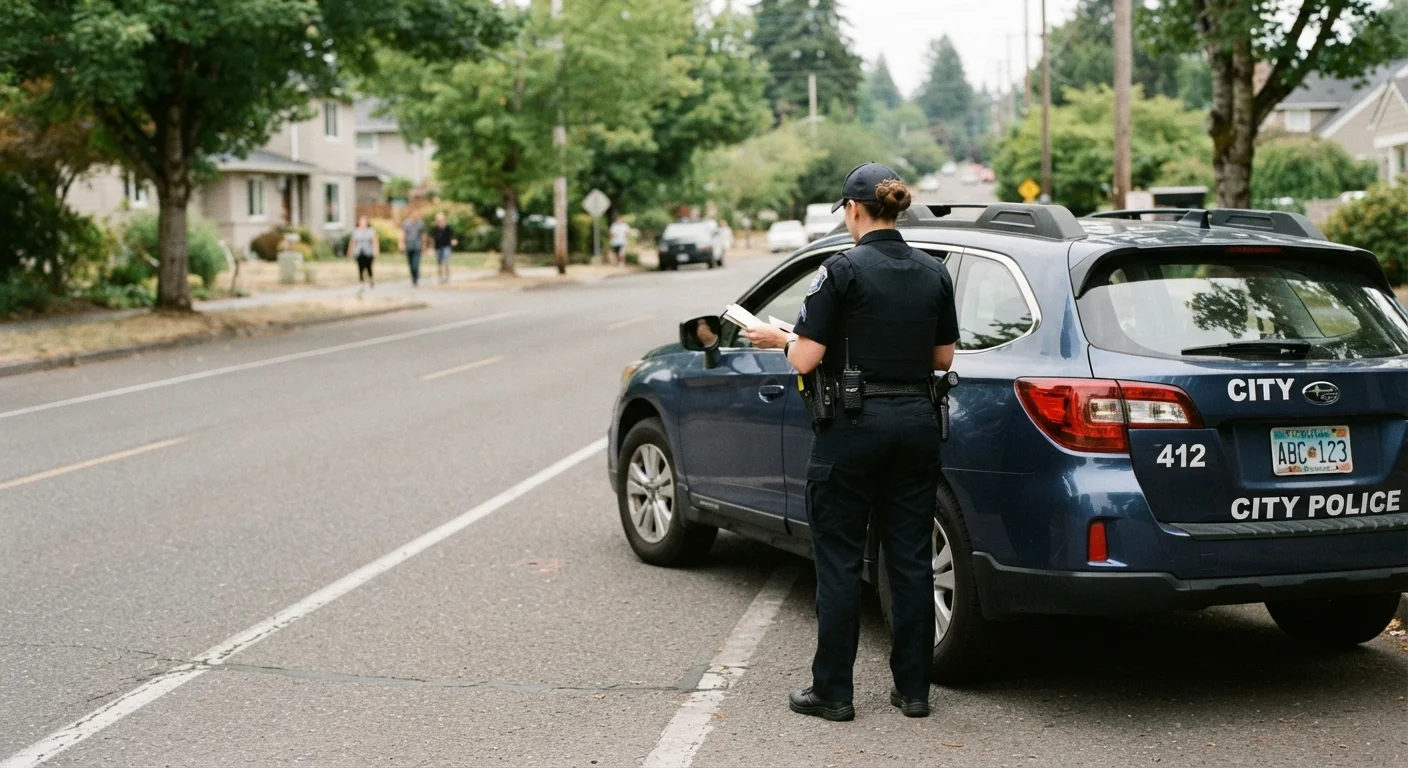
Key Takeaways
- You are not required to consent to a search of your person, vehicle, or home without a warrant.
- You have the right to remain silent beyond basic identification requirements in most states.
- Calmly invoking your rights is legally protected - physical resistance is not advisable.
- Police must have reasonable suspicion to stop you and probable cause (or a warrant) to arrest you.
- Anything you say voluntarily during a stop can be used against you in court.
- You have the right to record police activity in public spaces in all 50 states.
Your Rights During a Police Stop
When law enforcement stops you - whether on foot or in a vehicle - the U.S. Constitution sets firm limits on what officers can do and what you are required to do. You retain Fourth Amendment protections against unreasonable searches, Fifth Amendment protections against self-incrimination, and Sixth Amendment rights to legal counsel. Understanding these rights in practical terms is what allows you to exercise them effectively.
The legal standards governing police stops derive primarily from the Fourth Amendment and landmark Supreme Court decisions, including Terry v. Ohio (1968), which permits brief investigatory stops based on reasonable articulable suspicion - a lower bar than probable cause.
What Police Can and Cannot Do When They Stop You
A police stop falls into two broad legal categories: a Terry stop (brief investigatory detention based on reasonable suspicion) and a custodial arrest (based on probable cause). Understanding the difference matters because your rights and obligations shift between them.
During a brief stop, officers may ask questions and, in some circumstances, conduct a limited pat-down of your outer clothing if they reasonably suspect you are armed and dangerous. They cannot, however, conduct a full search of your person, bags, or vehicle simply because they stopped you. A lawful stop does not automatically equal consent to search.
In a vehicle stop, officers may order both the driver and passengers to exit the vehicle - that is settled law under Maryland v. Wilson (1997). But ordering you out is not the same as authorizing a search. If an officer asks, "Do you mind if I look in your trunk?" - that is a request, not a command. You are legally permitted to say no.
Stay Calm and Keep Hands Visible
Regardless of whether you believe a stop is justified, keeping your hands visible and your tone calm protects both you and the encounter's outcome. Clearly state what you are doing before reaching for documents: "My registration is in the glove box - I'm going to reach for it now." This reduces the risk of misunderstanding and preserves your ability to assert your rights effectively.
The Right to Remain Silent - and How to Invoke It
The Fifth Amendment protects you from being compelled to incriminate yourself. In practice, this means you are not required to answer an officer's questions beyond what your state's identification law requires. Silence alone, however, is not always enough.
The Supreme Court's ruling in Berghuis v. Thompkins (2010) clarified that to invoke your right to silence, you should state it clearly and explicitly. A simple, calm statement - "I am invoking my right to remain silent" - is more legally protective than simply saying nothing. Once invoked, police should cease interrogation.
For an in-depth look at when and how to exercise this right responsibly, see our guide on what to consider before talking to police.
~24
States with 'stop and identify' statutes
According to legal surveys of state statutes, roughly half of U.S. states require individuals to identify themselves to police under certain conditions.
42 U.S.C. § 1983
Federal civil rights claim statute
This federal law allows individuals to sue state and local officials, including police, for civil rights violations committed under color of law.
Consent Searches: What You Agree To Matters
One of the most consequential moments in any police encounter is when an officer requests your consent to search. Consent is a recognized exception to the Fourth Amendment's warrant requirement - and courts have repeatedly upheld searches based on voluntary consent, even when the person searched did not know they could refuse.
You have the right to withhold consent calmly and clearly. Phrases such as "I do not consent to this search" create a legal record that may protect you later if evidence is found. Consent, once given, can also be withdrawn - though anything already discovered remains admissible.
Note that consent must be truly voluntary. Courts look at the totality of circumstances. If an officer's conduct amounted to coercion, a court may later find the consent was not valid.
After the Stop: Protecting Your Rights Going Forward
What you do immediately after a police stop matters as much as what you do during it. Write down or record everything you remember: the officer's name and badge number, the patrol car number, the agency, and the names of any witnesses. This documentation can be critical if you need to challenge the stop later.
If you believe your rights were violated, consult a criminal defense or civil rights attorney before filing complaints or making public statements. Many jurisdictions have strict deadlines - called statutes of limitations - for filing civil rights claims under federal law.
Your broader legal rights don't stop at the police encounter. Just as data collectors must follow legal disclosure rules - explored in our article on digital privacy rights - law enforcement operates within a legal framework designed to protect individuals. Understanding that framework is your strongest tool.
“The right of the people to be secure in their persons, houses, papers, and effects, against unreasonable searches and seizures, shall not be violated.”
— U.S. Constitution, Fourth Amendment, ratified 1791
This article provides general legal information for educational purposes and is not a substitute for advice from a licensed attorney familiar with the laws in your jurisdiction.