

Key Takeaways
- High blood pressure often has no symptoms, so regular monitoring is essential.
- Readings above 130/80 mmHg are generally considered elevated by US clinical guidelines.
- Diet, physical activity, sleep, and stress all measurably affect blood pressure.
- Medications may be recommended alongside - not instead of - lifestyle changes.
- Consistent engagement with your healthcare provider is the most important long-term strategy.
Start here
What High Blood Pressure Actually Means
Next
Reading the Numbers: What Your Monitor Is Telling You
Then
Lifestyle Factors That Influence Blood Pressure
When you're ready
Working With Your Healthcare Team
What High Blood Pressure Actually Means
High blood pressure, clinically known as hypertension, occurs when the force of blood pushing against artery walls remains consistently too high. Over time, this excess pressure can damage blood vessels and strain the heart, raising the risk of heart disease, stroke, and kidney problems.
What makes hypertension especially tricky is that it typically produces no noticeable symptoms. People can live with significantly elevated readings for years without feeling unwell - which is why it's often called the "silent condition." A new diagnosis can therefore feel surprising, even alarming, but understanding what it means is the most grounding first step.
Hypertension
The clinical term for high blood pressure - when blood pushes against artery walls with consistently excessive force.
Systolic pressure
The top number in a blood pressure reading; it measures the force in your arteries when your heart beats.
Diastolic pressure
The bottom number in a blood pressure reading; it measures arterial pressure between heartbeats, when the heart is at rest.
mmHg
Millimeters of mercury - the unit used to measure blood pressure, reflecting how high the pressure can push a column of mercury.
DASH Diet
Dietary Approaches to Stop Hypertension - an eating pattern supported by clinical evidence for lowering blood pressure through food choices.
Hypertensive Crisis
A dangerously high blood pressure reading (above 180/120 mmHg) that requires immediate medical attention.
Hypertension is common: the CDC estimates roughly half of US adults have high blood pressure or are taking medication to manage it. Being diagnosed doesn't indicate personal failure - it reflects a complex interplay of genetics, aging, and lifestyle factors that affect large portions of the population.
Reading the Numbers: What Your Monitor Is Telling You
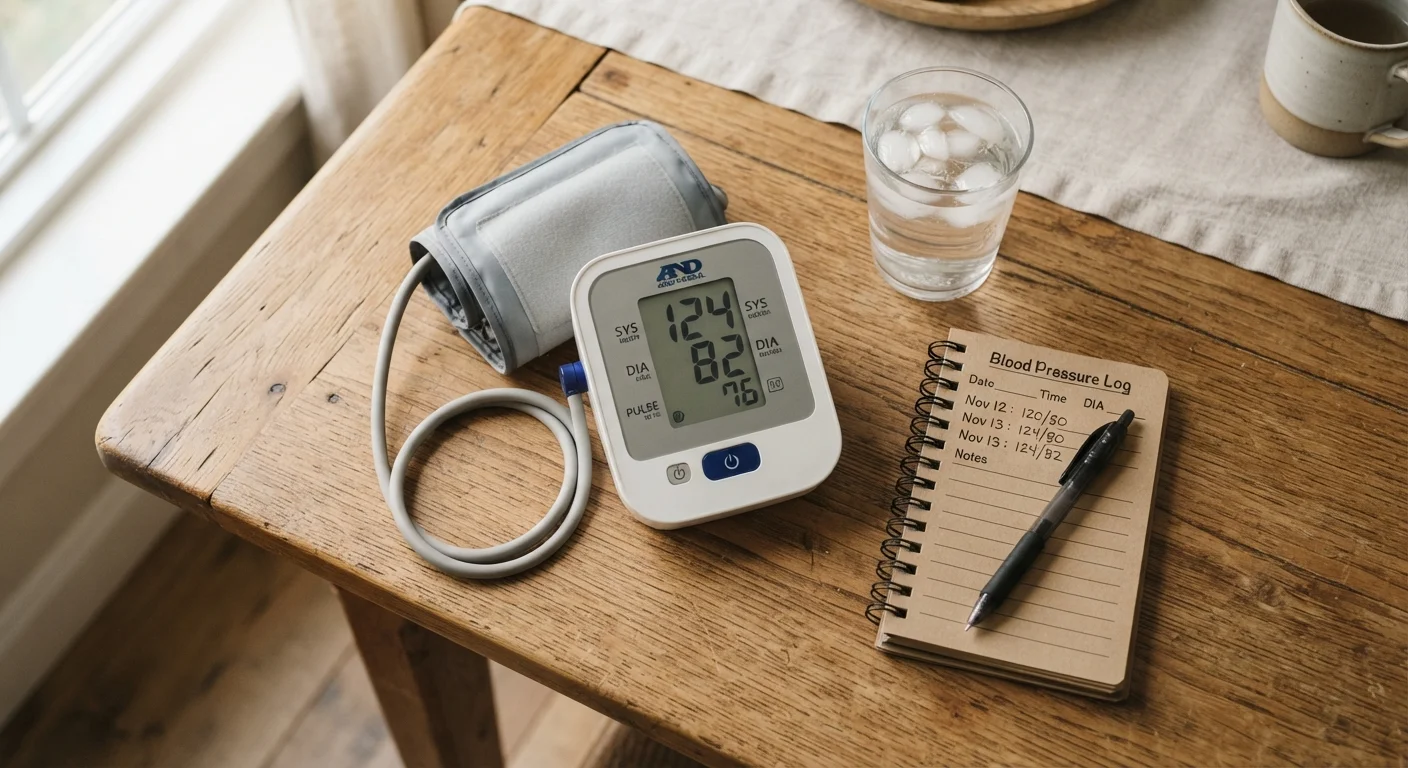
A blood pressure reading consists of two numbers expressed as a fraction - for example, 128/82 mmHg. The top number is systolic pressure: the force in your arteries when your heart beats. The bottom number is diastolic pressure: the pressure between beats, when the heart rests.
According to guidelines from the American College of Cardiology and American Heart Association, the general categories are:
- Normal: Below 120/80 mmHg
- Elevated: 120-129 systolic, below 80 diastolic
- Stage 1 Hypertension: 130-139/80-89 mmHg
- Stage 2 Hypertension: 140/90 mmHg or higher
- Hypertensive Crisis: Above 180/120 mmHg - seek immediate medical attention
Single readings can vary due to stress, caffeine, activity, or even the time of day. Clinicians typically base diagnoses on multiple readings taken across different occasions. If you're monitoring at home, note the time, your position, and any relevant context for each reading.
Get the Most Accurate Home Readings
For consistent results, sit quietly for five minutes before measuring, keep your feet flat on the floor, and rest your arm at heart level. Avoid caffeine, exercise, and smoking for at least 30 minutes beforehand. Take two readings one minute apart and record the average - this gives your doctor the most useful picture.
Lifestyle Factors That Influence Blood Pressure
Lifestyle changes are considered a foundational part of managing blood pressure, whether or not medication is also prescribed. Several factors have meaningful evidence behind them:
Diet and Sodium
High sodium intake is one of the most studied contributors to elevated blood pressure. The DASH diet (Dietary Approaches to Stop Hypertension) - emphasizing vegetables, fruits, whole grains, and low-fat dairy while limiting saturated fat and sodium - has been shown in clinical research to lower readings. For practical nutrition guidance, explore our Everyday Nutrition hub.
Physical Activity
Regular aerobic activity - such as brisk walking, cycling, or swimming - is associated with lower blood pressure. Consistency matters more than intensity for most people. Always consult your doctor before significantly changing your activity level, particularly if you have other conditions.
Alcohol and Smoking
Heavy alcohol consumption raises blood pressure, and smoking damages artery walls, compounding cardiovascular risk. Reducing or eliminating both is generally recommended as part of cardiovascular health management.
Sleep and Stress
Poor sleep and chronic psychological stress are both associated with elevated blood pressure. Addressing sleep quality and developing stress management habits - whether through structured techniques, social support, or professional help - can be a meaningful part of an overall approach.
Lifestyle Changes Take Consistent Time
Many people expect rapid improvements after dietary or activity changes, but blood pressure responds gradually. Meaningful reductions from lifestyle adjustments typically emerge over weeks to months of consistent effort. Your healthcare provider can help set realistic expectations based on your baseline readings and overall health profile.
Working With Your Healthcare Team
A hypertension diagnosis is the beginning of an ongoing relationship with your care team, not a single event. Your clinician will want to understand the broader picture: other health conditions, current medications, family history, and how well your readings are controlled over time.
Medications for blood pressure - including common classes like ACE inhibitors, calcium channel blockers, and thiazide diuretics - work through different mechanisms and may be adjusted over time. Never start, stop, or modify any medication without guidance from your prescribing clinician.
If you've recently been diagnosed, preparing thoughtful questions for your appointments will help you get the most from each visit. Our guide on talking to your doctor after a new diagnosis offers a practical framework. For longer-term condition management, see questions worth asking your care team as you settle into ongoing care.
High blood pressure frequently coexists with other conditions, including type 2 diabetes - understanding how these conditions interact can be valuable. For context on how diabetes develops, see our overview of what's actually happening in type 2 diabetes.
This article is for general informational purposes only and does not constitute medical advice. Always consult a qualified healthcare professional for guidance specific to your health situation.