

| Total essential vitamins | 13 (4 fat-soluble, 9 water-soluble) (National Institutes of Health, Office of Dietary Supplements) |
| Vitamin B12 - plant-based diet risk | Found almost exclusively in animal foods (NIH Office of Dietary Supplements) |
| Vitamin D - sun synthesis | Skin produces D3 on UVB exposure; varies by latitude and season (NIH Office of Dietary Supplements) |
| Iron absorption boost | Pairing plant iron with vitamin C significantly improves uptake (Academy of Nutrition and Dietetics) |
| Folate - critical period | Essential in the first weeks of pregnancy for neural tube development (CDC, Folic Acid Recommendations) |
| Iodine - primary US dietary source | Iodized salt and seafood (NIH Office of Dietary Supplements) |
What Are Micronutrients and Why Do They Matter?
Micronutrients are vitamins and minerals your body requires in relatively small amounts - but their impact on health is anything but small. Unlike macronutrients (protein, carbohydrates, and fat), they do not supply energy directly. Instead, they enable nearly every biological process: enzyme activity, immune signaling, bone mineralization, oxygen transport, and nerve conduction. If you want a foundation for understanding how food works in the body, see our primer on core nutrition concepts.
Deficiencies in key micronutrients are more common than most people expect, even in high-income countries, often because diets are calorie-sufficient but nutritionally narrow. The good news: eating a reasonably varied, whole-food diet covers the majority of daily requirements for most healthy adults.
Micronutrient
A vitamin or mineral required by the body in small quantities to support essential biological functions. Unlike macronutrients, micronutrients do not provide calories but are critical for health.
Fat-Soluble Vitamin
A vitamin (A, D, E, or K) that dissolves in fat and is stored in body tissues. Because they accumulate, excessive intake over time can cause toxicity.
Water-Soluble Vitamin
A vitamin (C and the B vitamins) that dissolves in water and is not significantly stored by the body. Regular dietary intake is needed to maintain adequate levels.
Macrominerals
Minerals needed in relatively larger amounts, including calcium, magnesium, potassium, phosphorus, sodium, and chloride. Each plays a role in structural or regulatory functions.
Trace Minerals
Minerals required in very small amounts - such as iron, zinc, iodine, and selenium - that are nonetheless essential for processes like oxygen transport, immune defense, and thyroid function.
Bioavailability
The proportion of a nutrient from food or a supplement that is actually absorbed and used by the body. Bioavailability varies by food form, preparation method, and what else is eaten at the same time.
Essential Vitamins: Fat-Soluble and Water-Soluble
Vitamins are divided into two categories based on how the body stores and processes them.
Fat-Soluble Vitamins (A, D, E, K)
These dissolve in fat and are stored in body tissues, which means deficiency develops slowly but excess can accumulate. Vitamin A supports vision, immune defense, and cell growth; sources include liver, eggs, dairy, and orange-pigmented produce. Vitamin D - produced in skin on sun exposure - helps regulate calcium absorption and immune function; dietary sources include fatty fish and fortified foods. Vitamin E acts as an antioxidant protecting cell membranes; nuts, seeds, and vegetable oils are primary sources. Vitamin K is essential for blood clotting and bone metabolism; leafy greens are the richest dietary source.
Water-Soluble Vitamins (C and B-Complex)
These are not stored in significant amounts, so regular dietary intake matters. Vitamin C supports collagen synthesis, immune function, and iron absorption from plant foods. The B vitamins - thiamine, riboflavin, niacin, B6, folate, B12, biotin, and pantothenic acid - collectively support energy metabolism, red blood cell production, and nervous system function. Folate is especially critical during early pregnancy. Vitamin B12 is found almost exclusively in animal products, making it a key consideration for those following plant-based diets.
| Total essential vitamins | 13 (4 fat-soluble, 9 water-soluble) (National Institutes of Health, Office of Dietary Supplements) |
| Vitamin B12 - plant-based diet risk | Found almost exclusively in animal foods (NIH Office of Dietary Supplements) |
| Vitamin D - sun synthesis | Skin produces D3 on UVB exposure; varies by latitude and season (NIH Office of Dietary Supplements) |
| Iron absorption boost | Pairing plant iron with vitamin C significantly improves uptake (Academy of Nutrition and Dietetics) |
| Folate - critical period | Essential in the first weeks of pregnancy for neural tube development (CDC, Folic Acid Recommendations) |
| Iodine - primary US dietary source | Iodized salt and seafood (NIH Office of Dietary Supplements) |
Essential Minerals: Macro and Trace
Minerals come from soil and water and enter our diet through plants and animals. They fall into two groups by the amount needed.
Macrominerals
Calcium builds and maintains bones and teeth and enables muscle contraction. Magnesium participates in over 300 enzymatic reactions, including energy production and muscle relaxation; whole grains, legumes, and dark greens are good sources. Potassium regulates fluid balance and blood pressure; bananas, sweet potatoes, and beans deliver it well. Phosphorus works alongside calcium in bone structure and is found in most protein-rich foods. Sodium and chloride regulate fluid balance and nerve function; most people in the US consume more than they need.
Trace Minerals
Iron carries oxygen in hemoglobin; heme iron in red meat is absorbed more readily than non-heme iron in legumes and greens - pairing the latter with vitamin C improves uptake. Zinc supports immune function and wound healing; shellfish, meat, and seeds are rich sources. Iodine is critical for thyroid hormone production; iodized salt and seafood are primary sources. Selenium supports antioxidant enzymes and thyroid function, found in Brazil nuts, seafood, and whole grains. Copper and manganese round out a longer list of trace elements needed in smaller but still meaningful amounts.
For a practical look at how these nutrients fit into daily eating patterns, see our evidence-based nutrition habits guide.
~1 in 3
US adults with inadequate vitamin D intake
According to NIH dietary survey data, vitamin D is one of the most commonly under-consumed nutrients in the American diet.
10 mg / day
Recommended daily iron for adult men
The NIH RDA for iron differs substantially by sex and life stage; women of reproductive age require significantly more.
300+
Enzymatic reactions requiring magnesium
The NIH Office of Dietary Supplements notes magnesium's involvement in energy production, protein synthesis, and muscle and nerve function.
Getting Enough: Food First, Supplements in Context
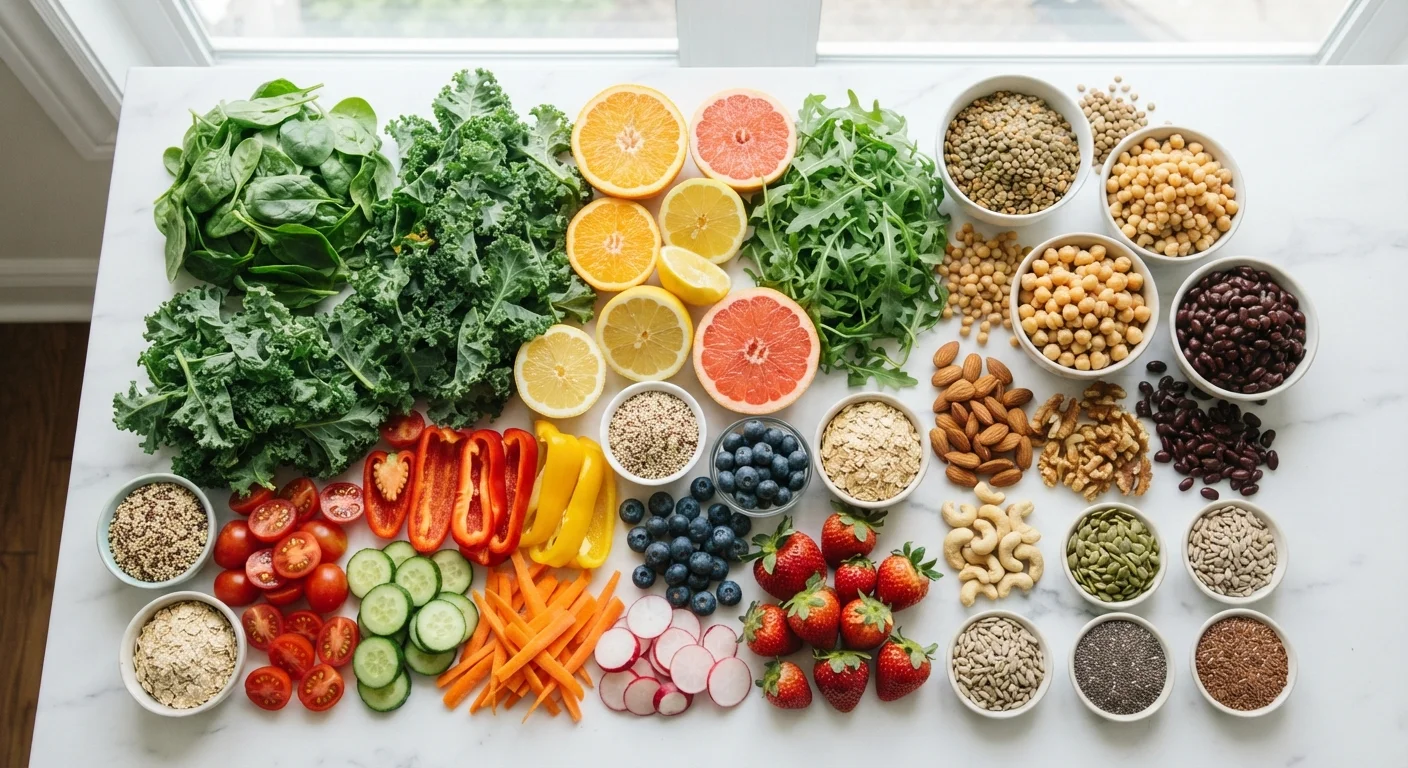
Nutrition research consistently supports a food-first approach to meeting micronutrient needs. Whole foods deliver vitamins and minerals alongside fiber, phytonutrients, and other compounds that interact beneficially - effects that isolated supplements typically cannot replicate. A diet anchored by vegetables, fruit, legumes, whole grains, nuts, seeds, and quality protein sources (whether animal or plant) covers most requirements for healthy adults.
Certain situations - pregnancy, older age, strict plant-based diets, malabsorption conditions, or limited sun exposure - can make specific micronutrients genuinely harder to obtain through food alone. In those cases, a healthcare provider may recommend targeted supplementation based on lab testing and individual history. The {{link:/health/everyday-nutrition/weekly-nutrition-audit-signals-your-diet-might-be-missing-something|weekly nutrition audit}|weekly nutrition audit}} can help you notice patterns in your diet that might signal a gap worth discussing with a professional.
Micronutrients do not work in isolation - they interact with macronutrients and with each other. Our macronutrient overview explains those relationships in more depth.
This article is for general informational and educational purposes only and does not constitute medical or nutritional advice. Consult a qualified healthcare provider before making changes to your diet or starting any supplement regimen.