

Key Takeaways
- A credit score is a numerical summary of your borrowing history, not a measure of wealth or income.
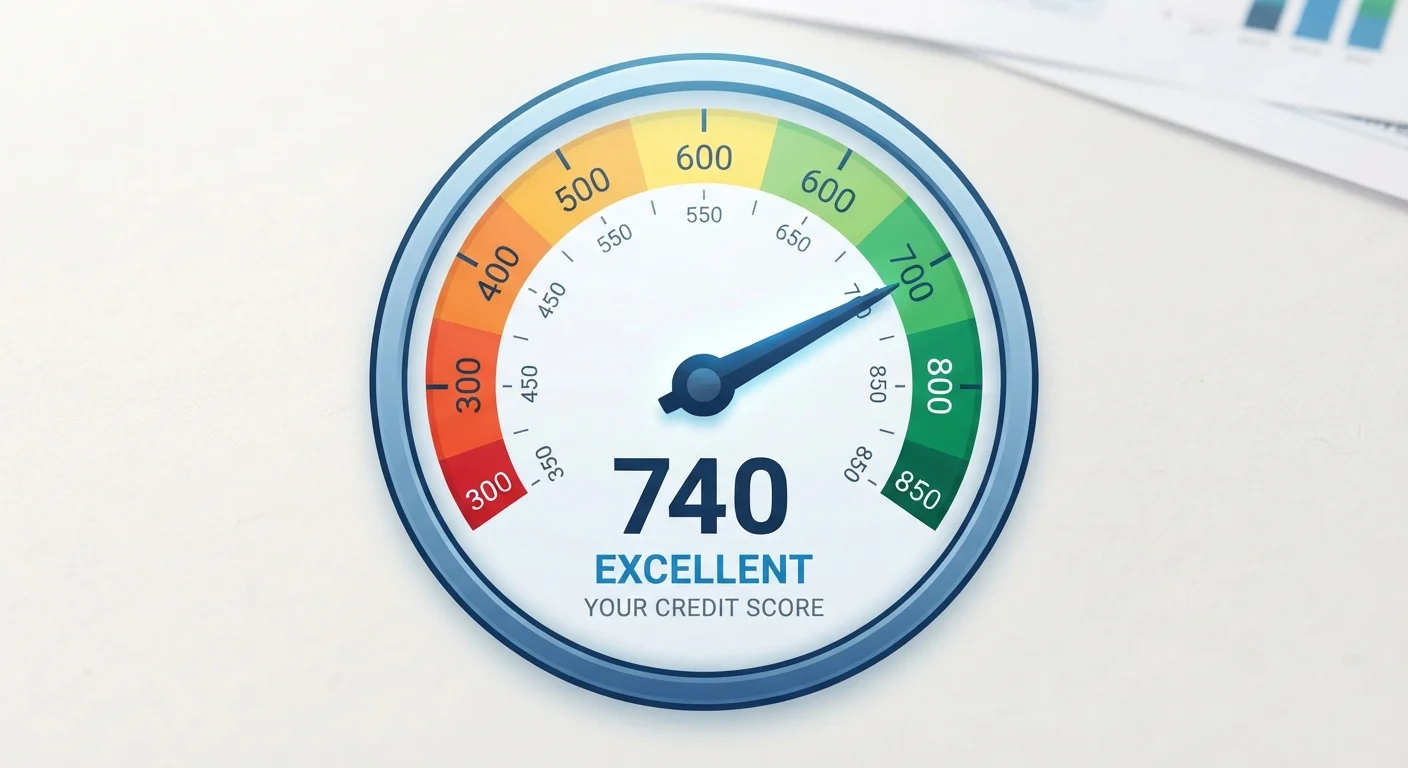
- Scores typically range from 300 to 850 - higher scores signal lower repayment risk to lenders.
- FICO and VantageScore are the two most widely used scoring models in the United States.
- Your score is calculated from data in your credit report, which is generated by the three major bureaus.
- Multiple versions of your score exist - the number you see may differ slightly from what a lender pulls.
Credit Score
A credit score is a three-digit number - typically ranging from 300 to 850 - that summarizes how reliably you've managed borrowed money in the past. Lenders use it as a quick, standardized way to estimate the likelihood that you'll repay a new loan or credit card on time. The higher your score, the lower the risk a lender generally considers you to be.
The most widely used scoring model in the U.S. is the FICO Score, developed by Fair Isaac Corporation. VantageScore, created collaboratively by the three major credit bureaus, is another common model. Both use the same 300-850 range but weight factors slightly differently.
What a Credit Score Is - and What It Isn't
A credit score is a risk prediction tool. It doesn't measure how much money you make, how much you have saved, or how financially responsible you feel. It measures one specific thing: based on how you've handled credit in the past, how likely are you to repay a new debt on time?
That distinction matters. A high-earning professional who has missed multiple payments can have a lower score than someone with a modest income and a consistent repayment record. Lenders aren't judging your overall financial life - they're estimating a specific risk.
For a broader picture of how credit scores fit into the larger landscape, see our end-to-end credit and debt resource.
Credit Scores Don't Include Everything
Certain data points are explicitly excluded from credit scoring models under federal law, including your race, gender, marital status, age, salary, and where you live. While lenders may consider income separately, none of these factors can legally influence your score. Understanding these boundaries can help you focus your energy on the factors that actually move the number.
Where the Number Comes From
Your credit score is calculated using data pulled from your credit report - a detailed record of your borrowing history maintained by three major bureaus: Equifax, Experian, and TransUnion. A scoring model (most commonly FICO or VantageScore) processes that data and outputs a number.
Because each bureau may hold slightly different data, and because different lenders use different scoring models, you don't have a single score - you have many. The number a mortgage lender sees may differ from the one displayed in a free monitoring app. Understanding this helps set realistic expectations.
For a clear breakdown of the difference between your report and your score, see Credit Report vs. Credit Score.
300-850
Standard credit score range (FICO and VantageScore)
Both major U.S. scoring models use this range, with higher numbers indicating lower repayment risk to lenders.
~716
Average U.S. FICO Score
According to FICO data, the average American's score falls in the 'good' range, though averages vary meaningfully by age group.
35%
Portion of FICO Score tied to payment history
FICO's published framework identifies payment history as the single largest component of a standard FICO Score calculation.
How Scores Are Calculated
Scoring models analyze several categories of information in your credit report, each carrying a different weight. Payment history - whether you've paid bills on time - is consistently the largest factor. How much of your available credit you're using (called credit utilization) comes second. The length of your credit history, the mix of account types you hold, and how recently you've applied for new credit round out the picture.
No single factor works in isolation. A long history of on-time payments can absorb the impact of a high utilization ratio; one missed payment can drag down an otherwise strong profile. The full breakdown of each factor and how much it typically weighs is covered in The Five Factors Behind Your Credit Score.
Review Your Credit Report Regularly
Because your score is only as accurate as the data behind it, errors in your credit report can unfairly drag your score down. U.S. consumers are entitled to free credit reports from each of the three major bureaus through AnnualCreditReport.com. Reviewing your report periodically helps you catch inaccuracies and dispute them before they cause lasting damage.
Why Lenders Use It - and Why It Affects More Than Loans
Lenders use credit scores because manually reviewing every applicant's full financial history would be impractical at scale. A score condenses years of behavior into a single comparable number, enabling faster and more consistent decisions. A higher score generally translates to better loan terms - lower interest rates, higher credit limits, and more product options.
But credit scores extend beyond traditional lending. Landlords often run credit checks before approving a rental application. Some employers review credit history for certain roles. Auto and renters insurance companies in many states use credit-based insurance scores (a related but distinct metric) when setting premiums. Understanding your score means understanding a number that influences more of your financial life than just borrowing.
If you've encountered advice that didn't quite sound right - like the idea that carrying a credit card balance helps your score - Common Credit Score Myths separates fact from widely repeated fiction.
This article is for general informational and educational purposes only and does not constitute personalized financial or legal advice. Consult a qualified financial professional for guidance specific to your situation.