

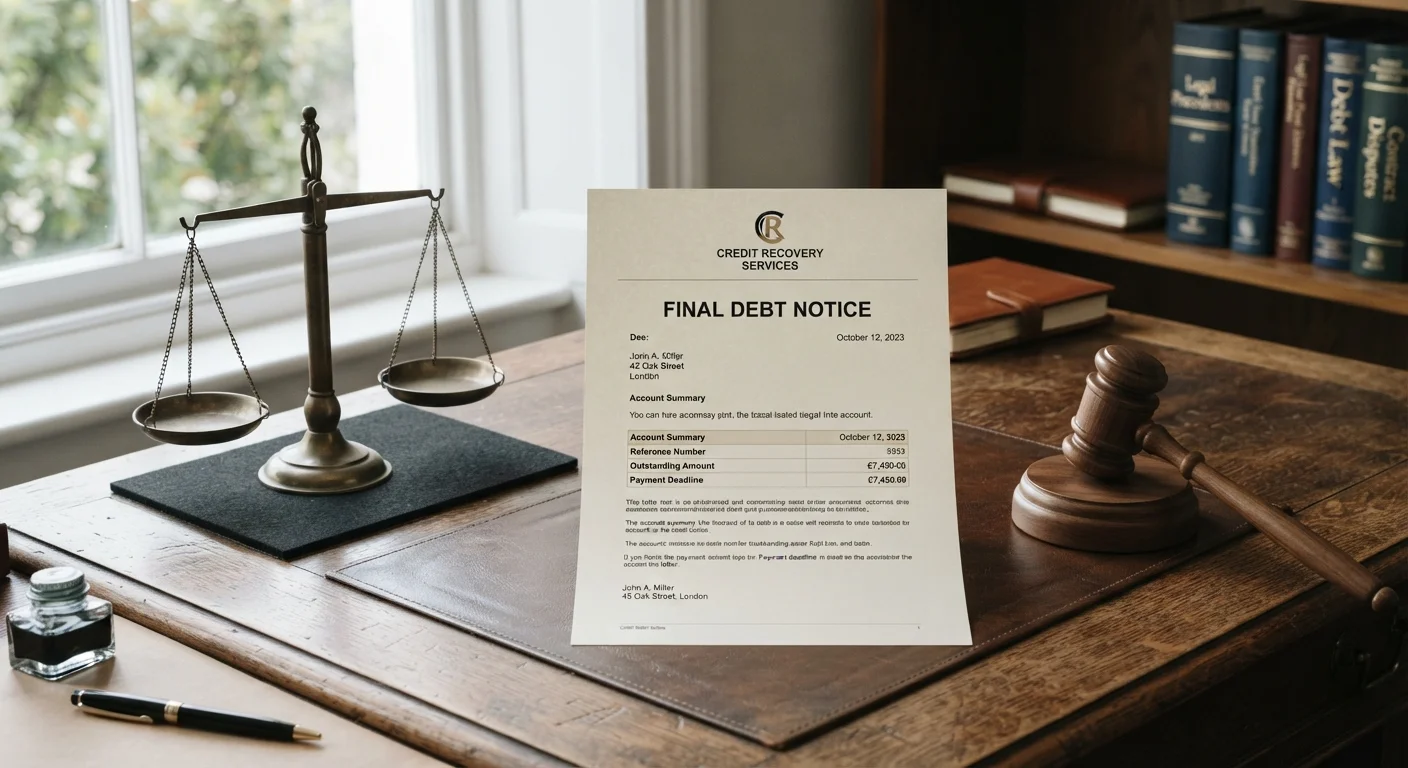
What the FDCPA Is and Who It Covers
The Fair Debt Collection Practices Act (FDCPA) is a federal law enforced by the Federal Trade Commission (FTC) and the Consumer Financial Protection Bureau (CFPB). Enacted in 1977, it establishes legally binding rules for third-party debt collectors - companies or individuals hired to collect debts on behalf of someone else.
The law covers personal, family, and household debts: credit card balances, medical bills, auto loans, student loans, and mortgages. It does not generally cover business debts. Critically, the FDCPA applies to third-party collectors, not to the original creditor collecting its own debt - though some state laws extend similar protections to original creditors.
If you have ever wondered whether a collector is crossing a legal line, the FDCPA is the framework that answers that question. Understanding it is the first step toward asserting your rights effectively. You can also review broader consumer protections that often go unnoticed alongside the FDCPA.
Prohibited Conduct: What Collectors Cannot Do
The FDCPA prohibits a specific and well-defined set of behaviors. Collectors who violate these rules expose themselves to civil liability.
Harassment and Abuse
- Threatening violence or using obscene language
- Calling repeatedly or continuously to annoy or harass
- Publishing your name on a public "bad debt" list
- Using false or misleading representations about the debt's amount or legal status
Unfair Practices
- Collecting amounts not authorized by the original agreement or law
- Depositing a post-dated check early
- Threatening to take legal action the collector has no intention or legal right to take
- Contacting you by postcard (which exposes your debt status to others)
False Representations
- Falsely claiming to be an attorney or government representative
- Misrepresenting the legal status of a debt
- Threatening arrest for an unpaid debt - collectors have no authority to do this
FDCPA
The Fair Debt Collection Practices Act, a federal statute that regulates the behavior of third-party debt collectors. It prohibits harassment, false statements, and unfair practices in consumer debt collection.
Debt Validation Notice
A written disclosure a collector must send within five days of first contact. It must state the amount owed, the creditor's name, and your right to dispute the debt within 30 days.
Cease-Communication Letter
A written request from a consumer directing a collector to stop all further contact. Once received, the collector's options for outreach are legally limited under the FDCPA.
Third-Party Debt Collector
A person or company that collects debts owed to another party. This is the primary category regulated by the FDCPA, as opposed to original creditors collecting their own debts.
Verification of Debt
Documentation a collector must provide when a consumer disputes a debt in writing. It typically includes the amount owed and the name of the original creditor.
If a collector engages in any of these practices, document every contact carefully: dates, times, phone numbers, and what was said. That documentation can be vital if you file a complaint or pursue legal action.
Contact Rules: When, Where, and How Collectors May Reach You
The FDCPA restricts not just what collectors say, but how and when they make contact.
$1,000
Maximum statutory damages per FDCPA lawsuit
Under 15 U.S.C. § 1692k, consumers who prevail in an FDCPA lawsuit may recover up to $1,000 in statutory damages, plus actual damages and attorney's fees.
30 Days
Window to dispute a debt in writing
Consumers who dispute a debt within 30 days of receiving the validation notice can legally require the collector to stop collection activity until verification is provided.
5 Days
Deadline for collector to send validation notice
The FDCPA requires collectors to send a written validation notice within five days of their first communication with a consumer.
Time Restrictions
Collectors may not call before 8 a.m. or after 9 p.m. in your local time zone unless you have given explicit permission for contact at other hours.
Workplace Restrictions
If you inform a collector - orally or in writing - that your employer prohibits collection calls at work, the collector must stop calling your workplace immediately.
Third-Party Contact Restrictions
Collectors may contact third parties (relatives, neighbors, employers) only to locate you - not to discuss your debt. They may not tell others that you owe a debt, and they generally may only contact each third party once.
Your Right to Request a Stop
You may send a written cease-communication letter. Once received, the collector can contact you only to confirm they will stop - or to notify you of a specific legal action they intend to take. Sending this letter does not erase the debt, but it does legally limit collector contact. For context on what happens before and after that stage, see what happens when a debt goes to collections.
Cease Letters Don't Erase the Debt
Sending a written cease-communication request stops most collector contact but does not cancel, reduce, or dispute the underlying debt. The creditor may still pursue legal remedies, including filing a lawsuit. Use a cease letter strategically - ideally in conjunction with advice from a consumer law attorney - rather than as a standalone solution.
Your Rights: Validation, Disputes, and Legal Remedies
The FDCPA grants consumers several affirmative rights - not just protections against bad behavior.
The Debt Validation Right
Within five days of first contact, a collector must send you a written validation notice stating the amount owed, the name of the creditor, and your right to dispute the debt. If you dispute the debt in writing within 30 days of receiving this notice, the collector must stop collection activity until it provides verification.
Disputing and Verifying the Debt
Always dispute in writing - not over the phone. Send your dispute letter via certified mail with return receipt so you have proof it was received. Request verification of the debt, including the original creditor's name and account details.
Filing a Complaint and Suing
If a collector violates the FDCPA, you may file a complaint with the CFPB at consumerfinance.gov, the FTC, or your state attorney general's office. You also have the right to sue the collector in federal or state court within one year of the violation. Successful plaintiffs can recover up to $1,000 in statutory damages, plus actual damages and attorney's fees.
Debt collection practices often intersect with your credit report. Errors or incorrect collection entries can affect your score - review your rights under the Fair Credit Reporting Act to understand how to challenge inaccurate information. For broader debt management strategies, see staying on top of debt without letting it run your life.
This article is for general informational and educational purposes only and does not constitute legal advice. Laws and regulations may change; consult a licensed attorney for guidance specific to your situation.