

Key Takeaways
- Dietary fiber is the most evidence-backed way to support beneficial gut bacteria.
- Fermented foods show promise for microbiome diversity, but research is still maturing.
- No single "gut health" supplement or food is proven to work for everyone.
- Highly processed diets are consistently associated with less favorable microbiome profiles.
- Individual microbiome responses to the same food can vary significantly between people.
- Consulting a healthcare professional is important before making major dietary changes for gut health.
Gut Microbiome
The gut microbiome refers to the trillions of bacteria, viruses, fungi, and other microorganisms that live in your digestive tract - particularly in the large intestine. These microbes play a role in digestion, immune function, and the production of certain vitamins and signaling molecules. The composition of your microbiome is shaped by genetics, early-life exposures, medications, and - significantly - what you eat.
Researchers typically study the microbiome through 16S rRNA gene sequencing or shotgun metagenomics, which identify microbial species from stool samples. Findings vary considerably across populations and methodologies, which is one reason many results remain preliminary.
Why Gut Health Has Become a Major Research Focus
Over the past two decades, advances in genetic sequencing technology have allowed scientists to study the human microbiome in unprecedented detail. What they've found has generated genuine excitement - and, inevitably, a wave of marketing claims that often outrun the evidence. Understanding what is well-established versus what remains speculative is essential for making sense of gut-health advice.
For a grounding in core nutrition concepts before diving into microbiome science, see A Starter's Map to Nutrition.
~38 trillion
Estimated microbial cells in the human gut
Research published in Cell (Sender et al., 2016) revised earlier estimates, suggesting the number of microbial cells is roughly equal to the number of human cells in the body.
< 20g
Average daily fiber intake for US adults
According to the USDA Dietary Guidelines Advisory Committee, most US adults fall well short of the recommended 25-38g of daily dietary fiber.
1,000+
Known bacterial species in the human gut
The Human Microbiome Project and related research have catalogued over 1,000 distinct bacterial species that may inhabit the gastrointestinal tract, though each individual carries a subset.
What the Evidence Firmly Supports
Dietary fiber feeds beneficial bacteria. This is the most robust finding in gut-diet research. Certain gut bacteria ferment soluble fiber - found in oats, legumes, and many vegetables - into short-chain fatty acids (SCFAs) like butyrate, which support the intestinal lining and modulate immune responses. Low fiber intake is consistently linked to reduced microbial diversity, which most researchers consider a marker of poorer gut health.
Fiber does far more than aid digestion - its role in supporting the microbiome is one reason it deserves serious attention in any discussion of diet.
Ultra-processed food patterns are associated with less favorable microbiomes. Multiple large observational studies have linked diets high in ultra-processed foods - those with many additives, emulsifiers, and refined ingredients - to reduced microbial diversity and higher levels of inflammatory markers. The mechanisms are still being studied.
Increase Fiber Gradually to Avoid Discomfort
If your current diet is low in fiber, adding large amounts quickly can cause bloating and gas as gut bacteria adjust. Increase fiber-rich foods incrementally over several weeks and drink adequate water to support digestion. This measured approach makes the change more sustainable and comfortable.
What's Promising but Still Emerging
Fermented foods and microbiome diversity. A widely cited 2021 clinical trial published in Cell found that a diet high in fermented foods increased microbiome diversity and reduced inflammatory proteins compared to a high-fiber diet over 10 weeks. These findings are intriguing, but a single trial does not establish consensus. More research is needed across different populations and dietary contexts.
The gut-brain axis. Researchers have identified multiple pathways by which gut microbes communicate with the brain - via the vagus nerve, immune signaling, and the production of neurotransmitter precursors like serotonin. Early studies associate microbiome composition with mood and cognitive markers, but this field is not yet at the stage where dietary interventions can be confidently recommended to support mental health through the gut.
For conditions like IBS where gut health is central, separating established evidence from noise is particularly important.
“The microbiome is like a fingerprint - highly individual. That means what works for one person's gut may not work for another's, and we're only beginning to understand why.”
— Justin Sonnenburg, Professor of Microbiology and Immunology, Stanford University School of Medicine
Practical Takeaways for Your Daily Diet
Despite the uncertainty in cutting-edge research, a few practical principles hold up well across the evidence base:
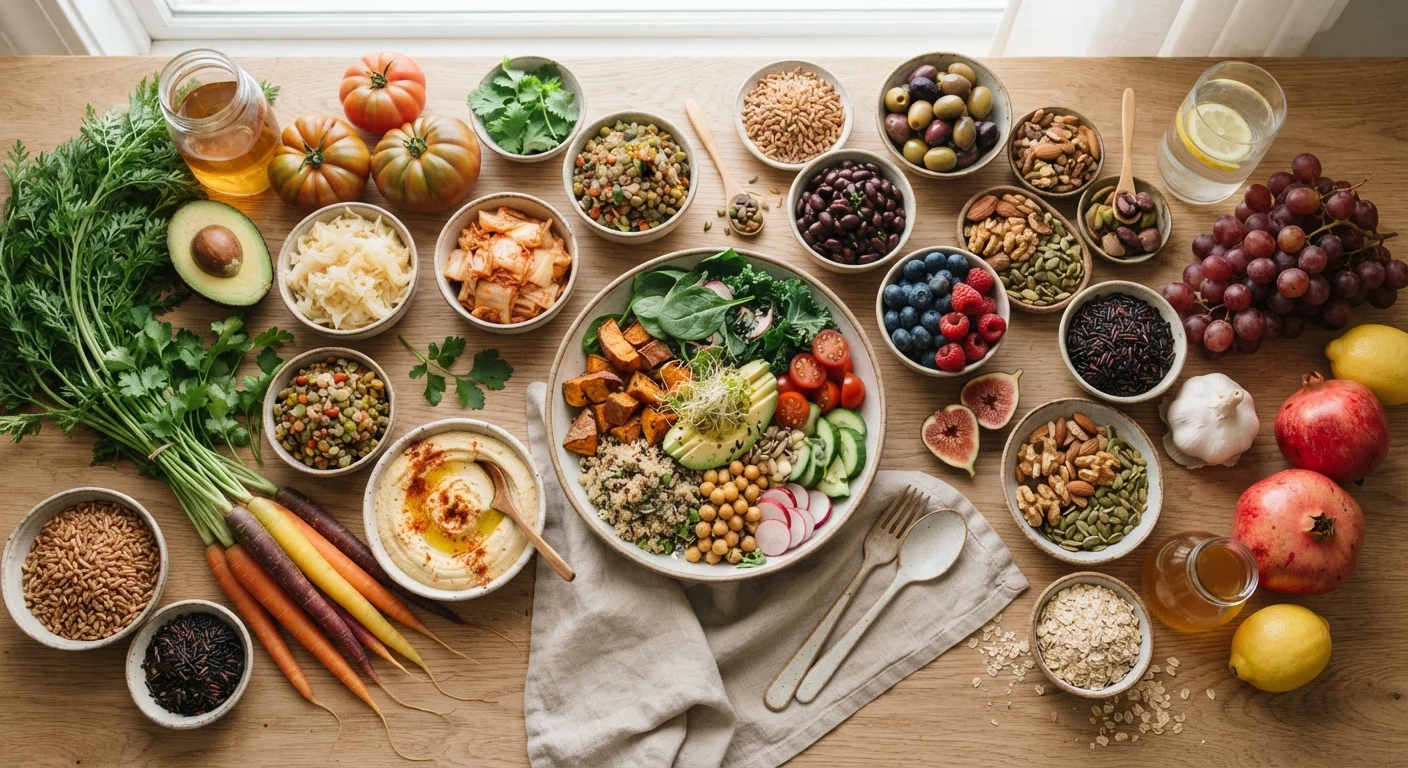
- Prioritize dietary variety. A wide range of plant foods supports a more diverse microbiome. Aim for variety across vegetables, fruits, legumes, nuts, and whole grains rather than fixating on one superfood.
- Don't overlook fiber. Most US adults consume well below recommended daily fiber intakes. Incrementally increasing intake from whole food sources is one of the most evidence-supported dietary moves for gut health. See why fiber is the nutrient most people forget about.
- Incorporate fermented foods where appropriate. Yogurt with live cultures, kefir, miso, kimchi, and sauerkraut are reasonable additions to a balanced diet, though they are not cure-alls.
- Moderate ultra-processed food intake. This aligns with evidence for gut health and general cardiovascular and metabolic health simultaneously.
Building these into sustainable routines matters more than short-term cleanses. Evidence-informed daily habits can help you integrate these principles without radical overhauls.
This article is for general informational purposes only and does not constitute medical or nutritional advice. Consult a qualified healthcare professional before making significant changes to your diet, particularly if you have a diagnosed digestive condition.