

Key Takeaways
- An independent mechanic's inspection is separate from any seller-provided vehicle history report.
- The inspection typically covers mechanical systems, structural integrity, and safety components.
- Findings give you negotiating leverage or a clear reason to walk away from a deal.
- Budget roughly $100-$200 for a professional pre-purchase inspection at most shops.
- Even certified pre-owned vehicles can benefit from an independent third-party review.
What you will need
Why an Independent Inspection Is Non-Negotiable
Buying a used vehicle involves accepting some level of unknown history. Even a well-maintained car can carry hidden mechanical wear, prior collision damage, or deferred maintenance that a test drive simply won't reveal. A pre-purchase inspection - conducted by a mechanic who has no stake in the transaction - is the most reliable tool available to an informed buyer.
This is distinct from any inspection a dealership performs internally. It is also separate from a vehicle history report, which reflects documented events but cannot account for unreported incidents or physical wear. If you're weighing the broader question of whether a used vehicle makes sense for your situation, understanding the real trade-offs between new and used is a useful starting point.
Never Skip Inspection on High-Mileage Vehicles
The higher a vehicle's mileage, the greater the likelihood that wear items - timing chains, water pumps, suspension bushings - are approaching end of life. Sellers are not required to disclose every known issue in most private-sale transactions. An independent inspection is your primary protection against absorbing repair costs that should have influenced the purchase price.
The cost of an inspection - generally in the range of $100-$200 depending on location and vehicle type - is modest relative to the potential cost of undisclosed repairs. Think of it as standard due diligence, not an optional add-on.
Vehicle History Report
Provides title, accident, and odometer records to cross-reference with the inspector's physical findings.
Independent ASE-Certified Mechanic
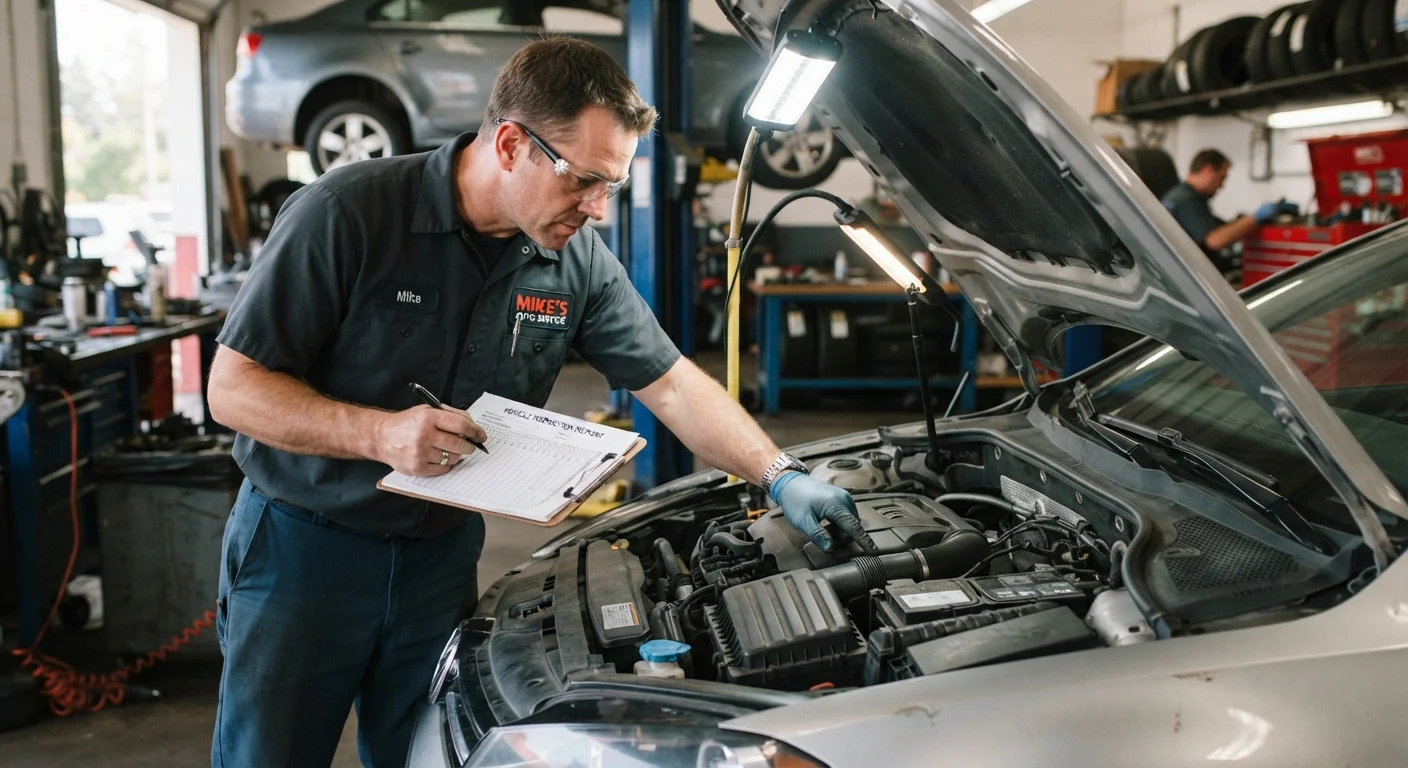
Performs the hands-on mechanical and structural assessment of the vehicle.
Written Inspection Checklist or Report
Documents all findings in a format you can review, share, and use during price negotiations.
OBD-II Diagnostic Scanner
Reads stored and pending fault codes from the vehicle's onboard computer to flag hidden issues.
How to Get the Inspection Done Right
The steps below walk you through the process from arranging access to using the findings effectively. Preparation before this stage matters too - if you haven't yet reviewed preparation steps for the dealership visit itself, this dealership preparation checklist covers what to have in order beforehand.
What you will need
Secure the seller's agreement
Before scheduling anything, confirm that the seller - whether a private party or a dealership - will allow you to have the vehicle inspected by an independent mechanic of your choosing. Any seller who refuses or places unexplained restrictions on an inspection is sending a meaningful signal. Get the agreement in writing or at minimum via text message so there is a clear record.
Choose a qualified, independent mechanic
Select a repair shop that has no relationship with the seller. Look for ASE (Automotive Service Excellence) certification, which indicates that technicians have met standardized competency benchmarks. Specialty shops familiar with the specific make you're evaluating can be especially useful - for example, a European car specialist for a German import. Call ahead to confirm they perform pre-purchase inspections and ask for a rough quote.
Arrange transport of the vehicle to the shop
Coordinate with the seller to bring the car to your chosen mechanic. If a private seller is unable to drive it there, you may be able to arrange transport - but avoid purchasing or taking formal possession before the inspection is complete. For dealership vehicles, most dealers will allow you to drive the car to a nearby shop during business hours, often with a sales associate present.
Understand what the inspection covers
A thorough pre-purchase inspection should include the following areas:
- Engine and transmission: Fluid condition, leaks, unusual wear, and shifting behavior
- Brakes and suspension: Pad thickness, rotor condition, shock wear, and steering components
- Electrical systems: Battery health, lighting, and any stored OBD-II fault codes
- Body and frame: Evidence of prior collision repair, rust, misaligned panels, or repainted sections
- Tires: Tread depth and wear patterns that can indicate alignment or suspension issues
- Undercarriage: Rust, leaks, and structural integrity
- HVAC and cabin systems: Air conditioning, heat, and basic electronics
Ask the mechanic to note anything they consider a safety concern versus a routine maintenance item - these carry very different weight in your decision.
Review the written report carefully
Once the inspection is complete, go through the written findings line by line. Categorize each item: safety-critical issues, near-term repair needs, and longer-term wear items. Request repair estimates from the mechanic for any significant issues identified - these numbers become direct inputs into your negotiation or your decision to walk away.
Use the findings to negotiate or exit
A clean inspection report increases your confidence in proceeding at or near the asking price. A report with significant findings gives you documented grounds to request a price reduction, ask the seller to address specific repairs before sale, or walk away entirely. There is no obligation to proceed with a purchase simply because an inspection was conducted. Treat the cost of the inspection as a small, worthwhile fee for informed decision-making, not a sunk cost that pressures you forward.
CPO Doesn't Replace Independent Inspection
Certified pre-owned programs vary considerably by manufacturer and dealer. While they do provide some added assurance, the standards behind each program differ. An independent inspection adds a layer of accountability that no in-house certification can fully replicate. See what CPO programs actually cover before assuming a certified label eliminates all risk.
Once the inspection is behind you and you're ready to move toward financing, reviewing a loan pre-application checklist can help you approach that stage with equal clarity. For ongoing maintenance planning after purchase, the car maintenance guidance hub is a practical ongoing resource.
A Vehicle History Report Is Not a Substitute
History reports draw on reported data - insurance claims, title transfers, and reported accidents. They cannot detect unreported damage, mechanical wear, or issues that were never formally recorded. The physical inspection fills that gap. Use both together for the most complete picture.